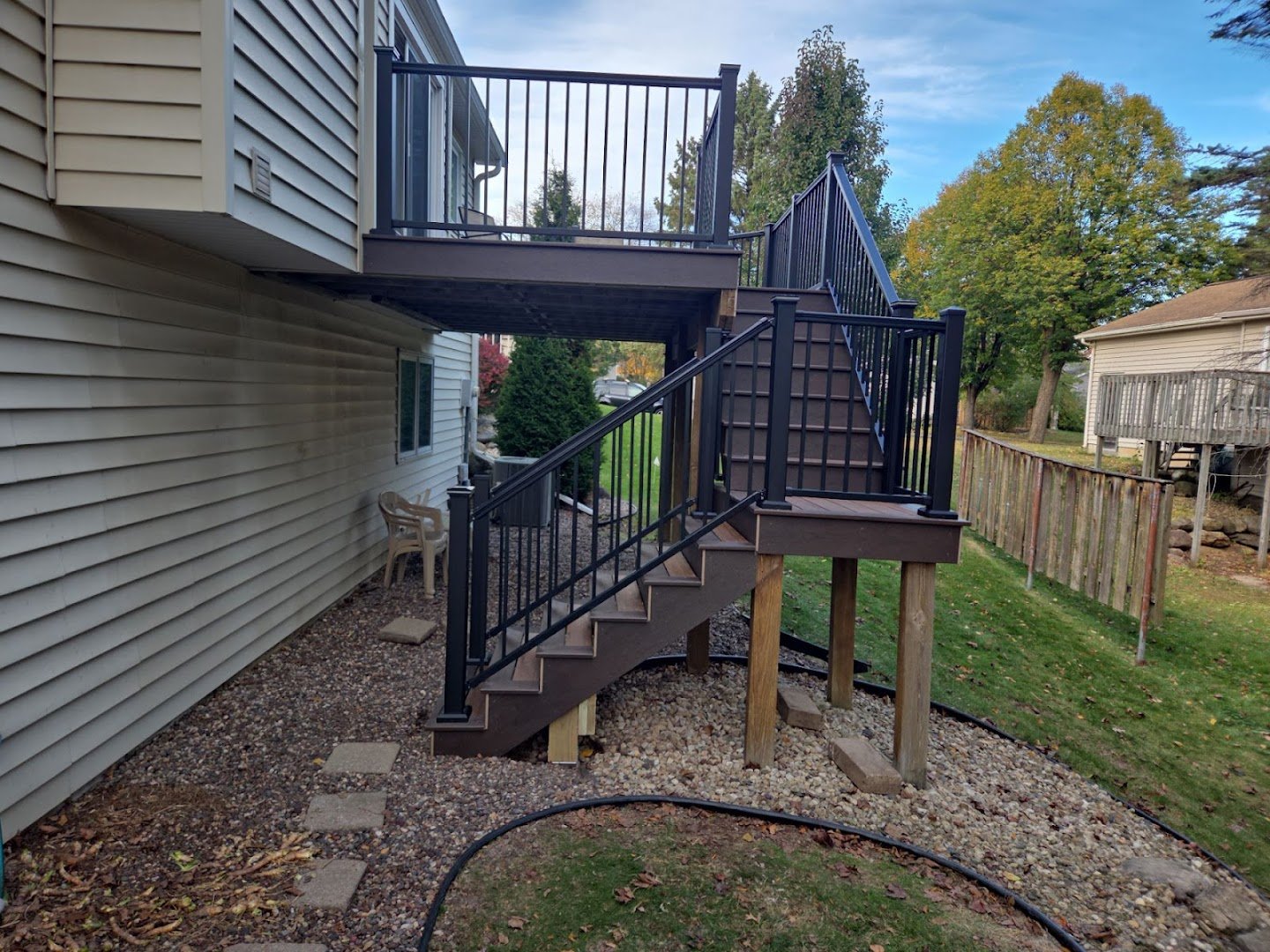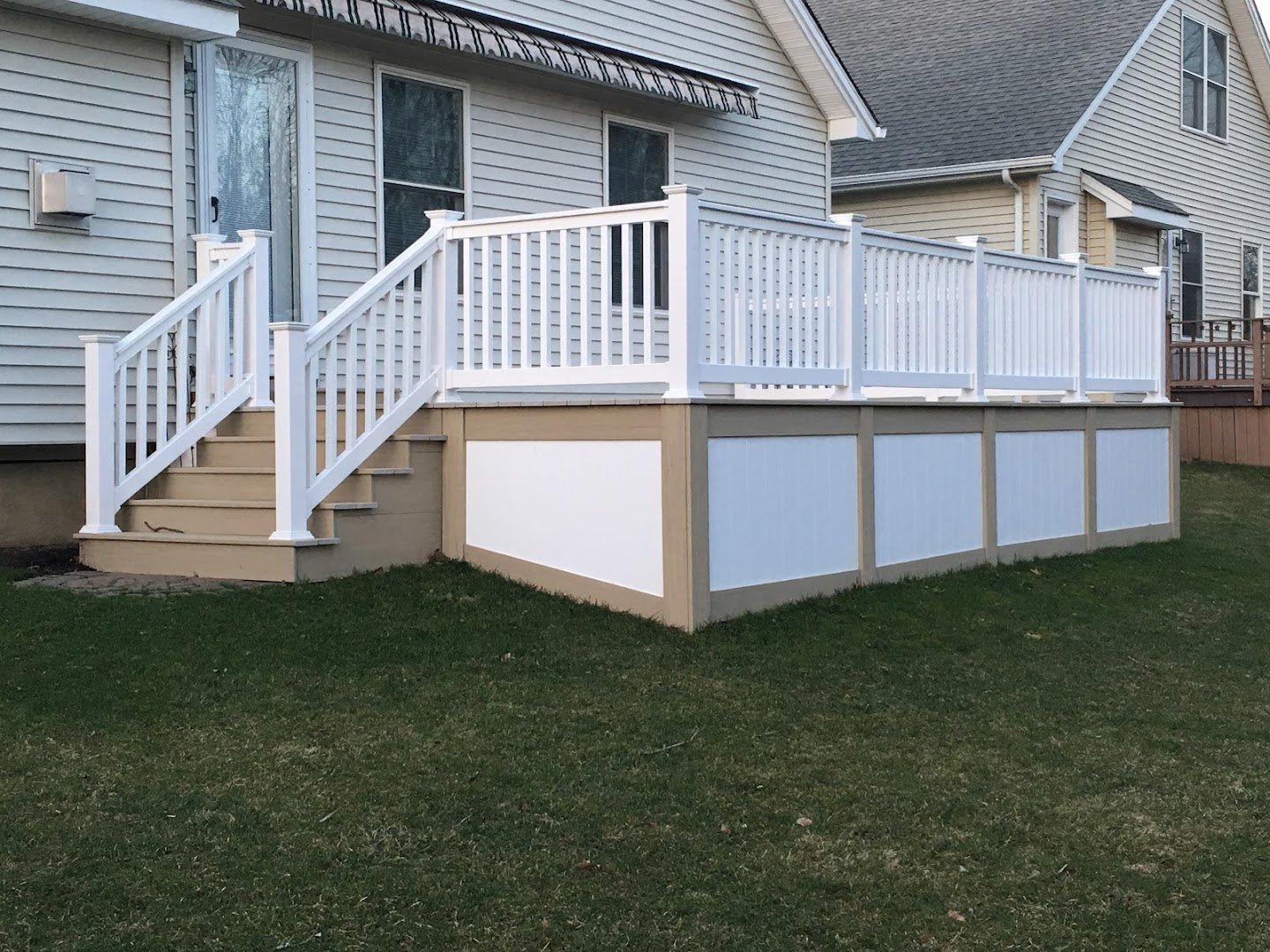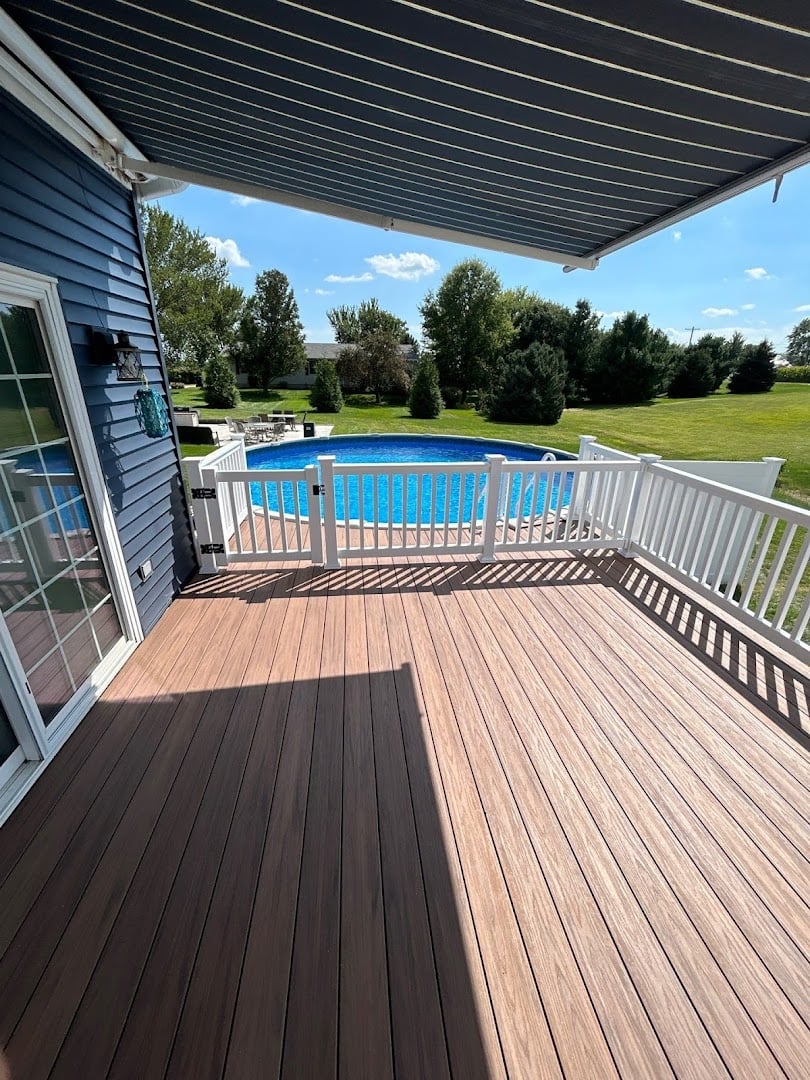
Quick answer: A strong composite decking warranty should cover fading, staining, scratching, and structural defects for at least 25-30 years, with clear terms on transferability and what voids coverage. Since composite deck installation quality directly affects warranty claims, work with an experienced, certified installer like The Vinyl Outlet to ensure your investment stays protected in Buffalo's harsh climate.
Key Takeaways
- A comprehensive composite decking warranty should cover both material defects (fading, staining, scratching) and structural integrity for 25+ years.
- Warranty terms vary widely between manufacturers, so understanding prorated coverage, transferability, and exclusions matters as much as the length of coverage.
- Professional composite deck installation in Buffalo, NY is often required to keep warranties valid, since improper installation is a common reason claims get denied.
A new deck is a major investment, and composite decking has become the go-to choice for homeowners who want the beauty of wood without the constant upkeep. But before you sign a contract with any decking company, take a close look at the warranty. Not all warranties are created equal, and the fine print can make a significant difference when something goes wrong five, ten, or even twenty years down the road.
Buffalo's freeze-thaw winters, heavy snow loads, and humid summers put decking materials through a serious workout. That makes warranty coverage especially important for local homeowners. This guide walks through exactly what to look for so you can make an informed decision on your next project.
What does a composite decking warranty typically cover?
Most composite decking warranties fall into two categories: limited warranties and stain-and-fade warranties. Understanding the difference is the first step toward evaluating any manufacturer's offer.
Structural or limited warranties typically cover defects in materials or workmanship that affect the board's structural performance. This includes issues like splitting, checking, or structural failure under normal use conditions. These warranties often last 25 to 50 years, depending on the manufacturer and product line.
Stain-and-fade warranties address cosmetic concerns, including color fading from UV exposure and staining from mold, mildew, or organic debris. These warranties tend to be shorter (often 25 to 30 years) and are usually prorated, meaning the coverage amount decreases over time.
Top composite decking brands like Trex, TimberTech, and Fiberon all offer some combination of these warranty types, though the exact terms and lengths vary. Always ask your installer to walk you through the specific manufacturer's documentation rather than relying on general marketing claims.
How long should a composite decking warranty last?
Look for a minimum of 25 years of coverage, though many premium composite products now offer 30 to 50-year limited warranties. Longer warranty periods generally signal that a manufacturer has confidence in their product's durability, and higher-tier composite lines (with more capped or fully encapsulated boards) tend to carry the longest terms.
That said, length alone doesn't tell the whole story. A 50-year warranty with heavy exclusions may offer less real protection than a 25-year warranty with straightforward, comprehensive terms. Choose a longer warranty if you plan to stay in your home long-term and want maximum peace of mind. Choose a shorter but clearer warranty if you'd rather avoid the complexity of prorated claims later on.
What exclusions should you watch for in the fine print?
Warranty exclusions can significantly limit your coverage, so read this section carefully before committing to any product. Common exclusions include:
- Improper installation: Most warranties require installation according to the manufacturer's exact specifications. This is one of the top reasons for a composite deck installation to fail warranty inspection.
- Lack of maintenance: Even low-maintenance composite decking usually requires periodic cleaning. Neglecting this can void coverage.
- Normal wear and tear: Minor scratches, surface changes, or color variation from natural aging are typically excluded.
- Ground contact or standing water damage: Boards installed without proper drainage or ventilation may not be covered if moisture-related issues occur.
- Use of incompatible fasteners or hardware: Some manufacturers require specific clips, screws, or hidden fastening systems to maintain warranty validity.
Given how many warranties hinge on correct installation, working with a qualified professional for your composite deck installation isn't just about a better-looking result. It directly protects your ability to file a successful claim later.
Is the warranty transferable if you sell your home?
Transferability is often overlooked, but it can add real resale value to your home. Many manufacturers allow the original warranty to transfer to a new homeowner, though usually with some conditions attached, such as a shortened coverage period or a small transfer fee.
If you're planning to sell your home within the warranty period, ask specifically about transferability terms before choosing a decking product. A transferable warranty can serve as a strong selling point and reassure buyers that they won't inherit unexpected repair costs.
Why does professional installation matter for warranty claims?
Manufacturers write their warranties with specific installation standards in mind, covering spacing, fastening, ventilation, and substructure requirements. When a deck isn't installed to these standards, even a legitimate material defect can be denied during a claim review.
This is why choosing an experienced team for your composite decks Buffalo NY project matters just as much as picking the right decking brand. The Vinyl Outlet's installation crews follow manufacturer specifications closely, which helps ensure that if an issue arises, your warranty claim has the best possible chance of approval.
Homeowners sometimes assume that any contractor can install composite decking correctly since it doesn't require staining or sealing. But composite systems often involve hidden fastening systems, specific board spacing for expansion, and ventilation requirements that differ from traditional wood decking. Getting these details right the first time saves both money and future headaches.
Choosing a warranty that fits your Buffalo home
Buffalo's climate adds an extra layer of consideration. Freeze-thaw cycles, heavy snow loads, and salt exposure from winter de-icing can all stress decking materials over time. When comparing warranties, ask manufacturers directly how their coverage handles moisture-related expansion, contraction, and cold-weather performance.
If you're comparing multiple composite decking brands, request written warranty documentation for each option rather than relying on sales summaries. Compare the length of structural versus cosmetic coverage, check for prorated terms, and confirm what maintenance requirements apply to keep the warranty active.
Get expert guidance on your next decking project
A composite decking warranty is only as strong as the installation behind it. Before starting your project, talk with a local specialist who understands both the products and the installation standards required to keep your warranty intact. The Vinyl Outlet's team has extensive experience with composite deck installation across Western New York and can help you select a decking system with warranty terms that match your home's needs and budget.
Reach out to The Vinyl Outlet today for a consultation on your next composite decking project.
Frequently Asked Questions
How much does a composite decking warranty typically cost?
Warranties are generally included in the price of the decking material itself and don't carry a separate cost. However, premium product lines with longer or more comprehensive warranties often come at a higher upfront material cost.
What voids a composite decking warranty?
Common causes include improper installation, use of non-approved fasteners, lack of routine maintenance, and damage from misuse, such as dragging heavy furniture or using harsh chemical cleaners not approved by the manufacturer.
Are all composite decking warranties prorated?
Not all, but many stain-and-fade warranties use a prorated structure, meaning the compensation amount decreases the longer you've owned the deck. Structural warranties are less commonly prorated but still vary by manufacturer.
Can I install composite decking myself and still keep the warranty?
Some manufacturers allow DIY installation as long as their specifications are followed exactly. However, professional composite deck installation significantly reduces the risk of installation errors that could void your coverage.
What's the difference between a manufacturer's warranty and an installer's warranty?
A manufacturer's warranty covers the decking material itself, while an installer's warranty (if offered) covers workmanship. Ask your installer whether they provide a separate labor warranty in addition to the manufacturer's product warranty.