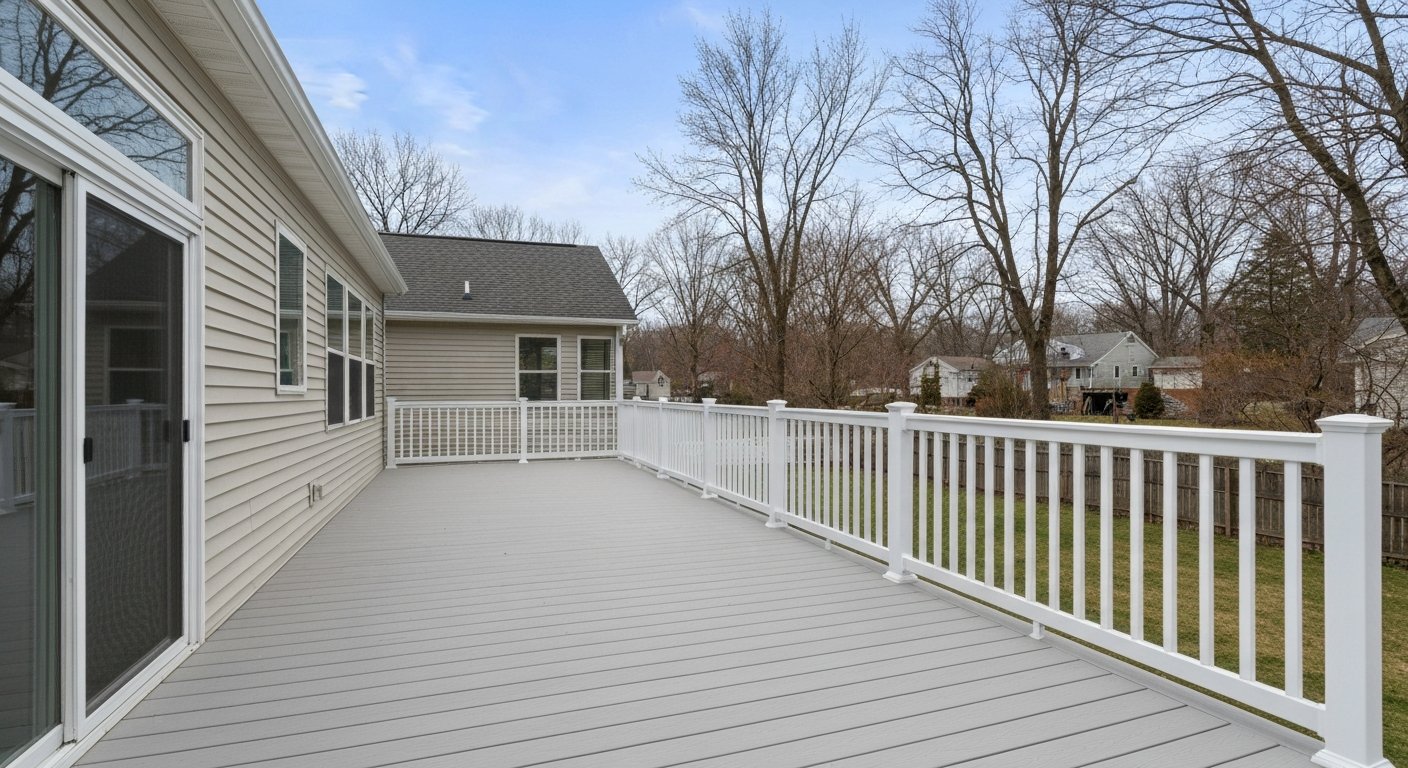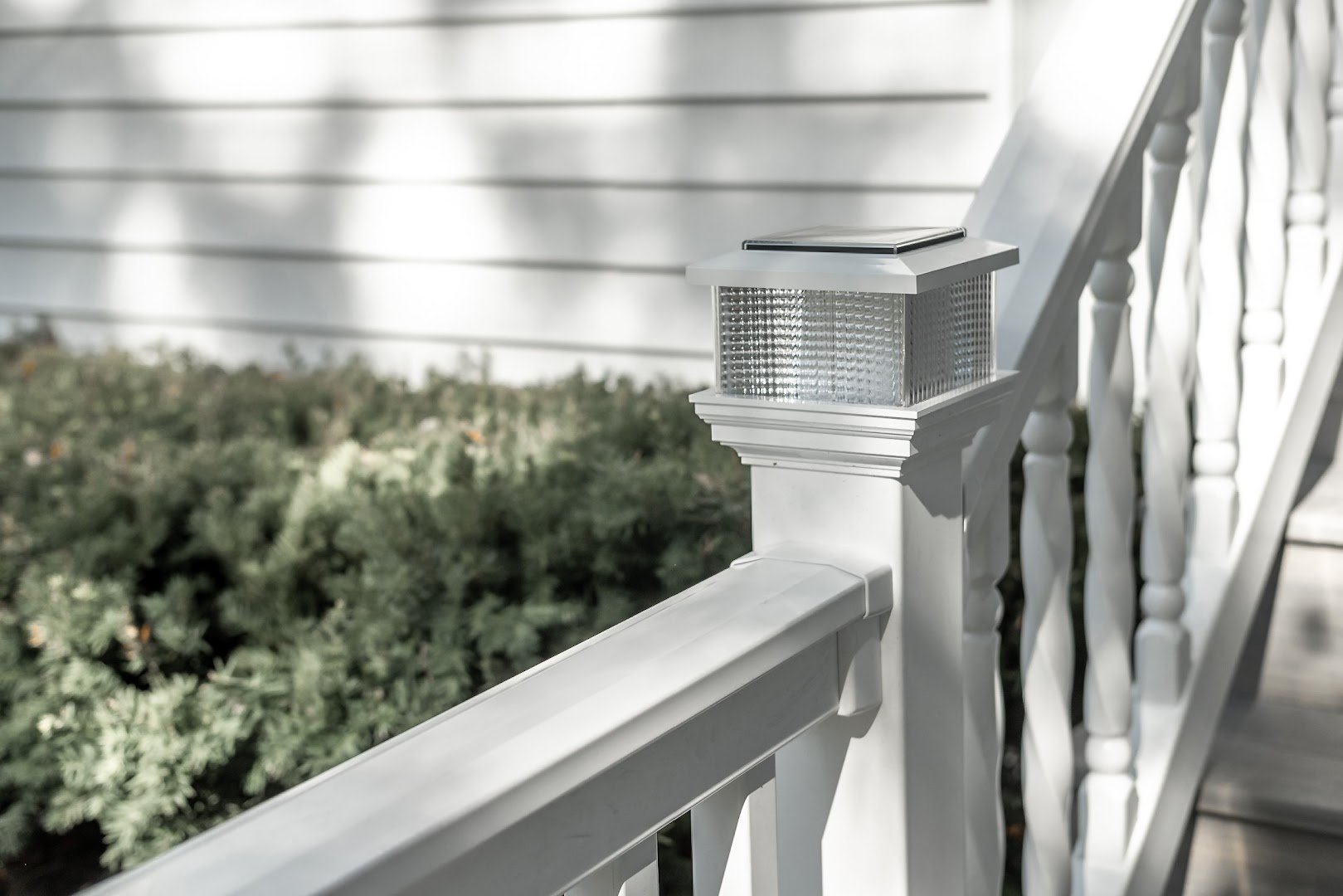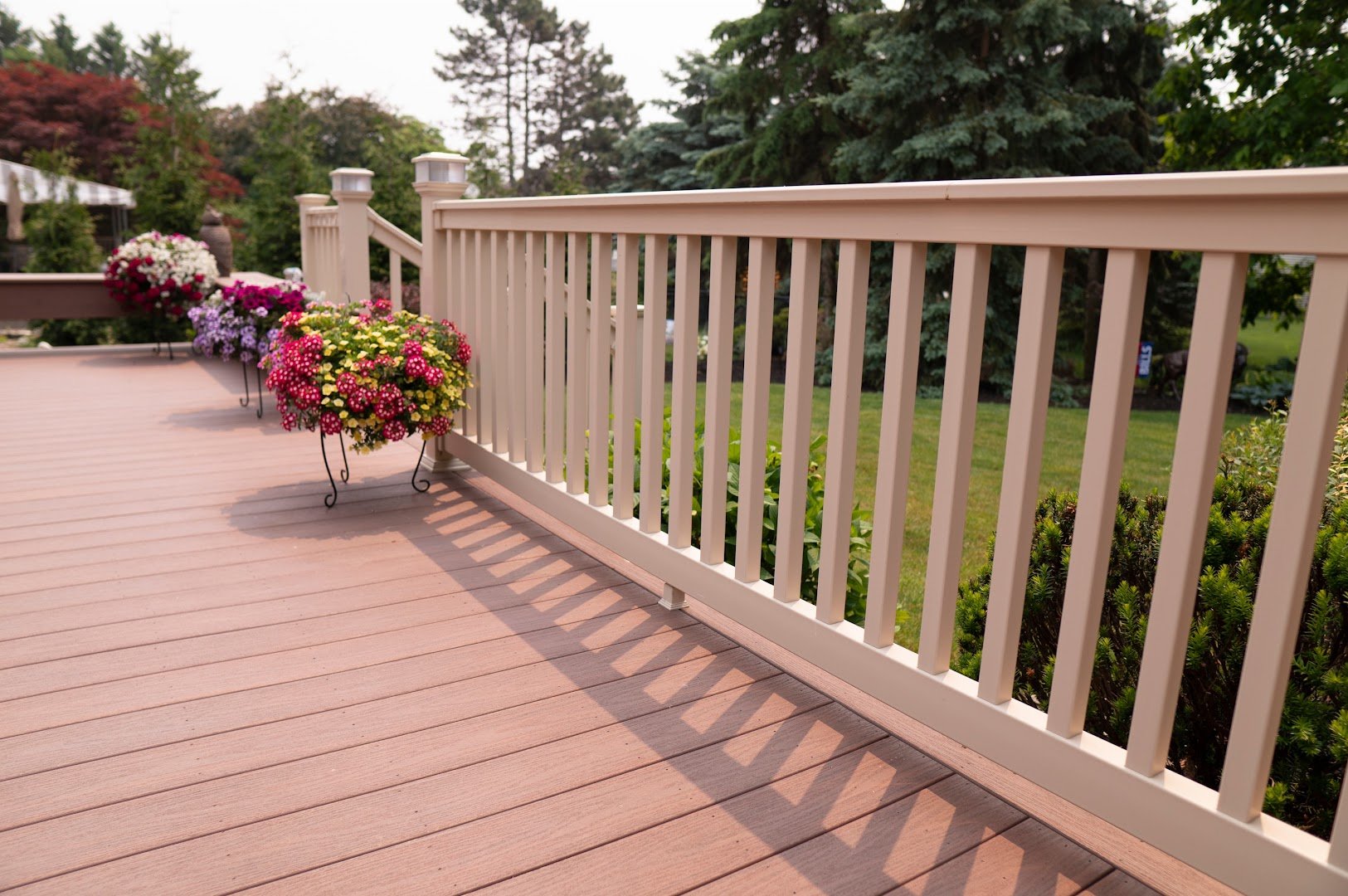
 When planning a new deck for your home in Cheektowaga, Rochester, or Syracuse, you're likely weighing the options between traditional composite and modern PVC deck boards. Western and Central New York's unique climate, with its heavy snow, intense sun, and dramatic temperature swings, demands a decking material that can truly stand the test of time. Understanding the fundamental differences in their material science is key to making an informed decision that ensures longevity and minimal maintenance for your outdoor living space.
Understanding Material Composition: PVC vs. Wood-Plastic Composite
The primary distinction between PVC and traditional composite decking lies in their core ingredients. Traditional composite boards are typically a blend of wood fibers (sawdust, wood flour) and recycled plastics. While this combination offers some benefits over pure wood, the presence of organic wood material introduces inherent vulnerabilities. These wood particles can absorb moisture, making composite decks susceptible to issues like mold, mildew, and rot over time, especially in damp conditions or areas with standing water.
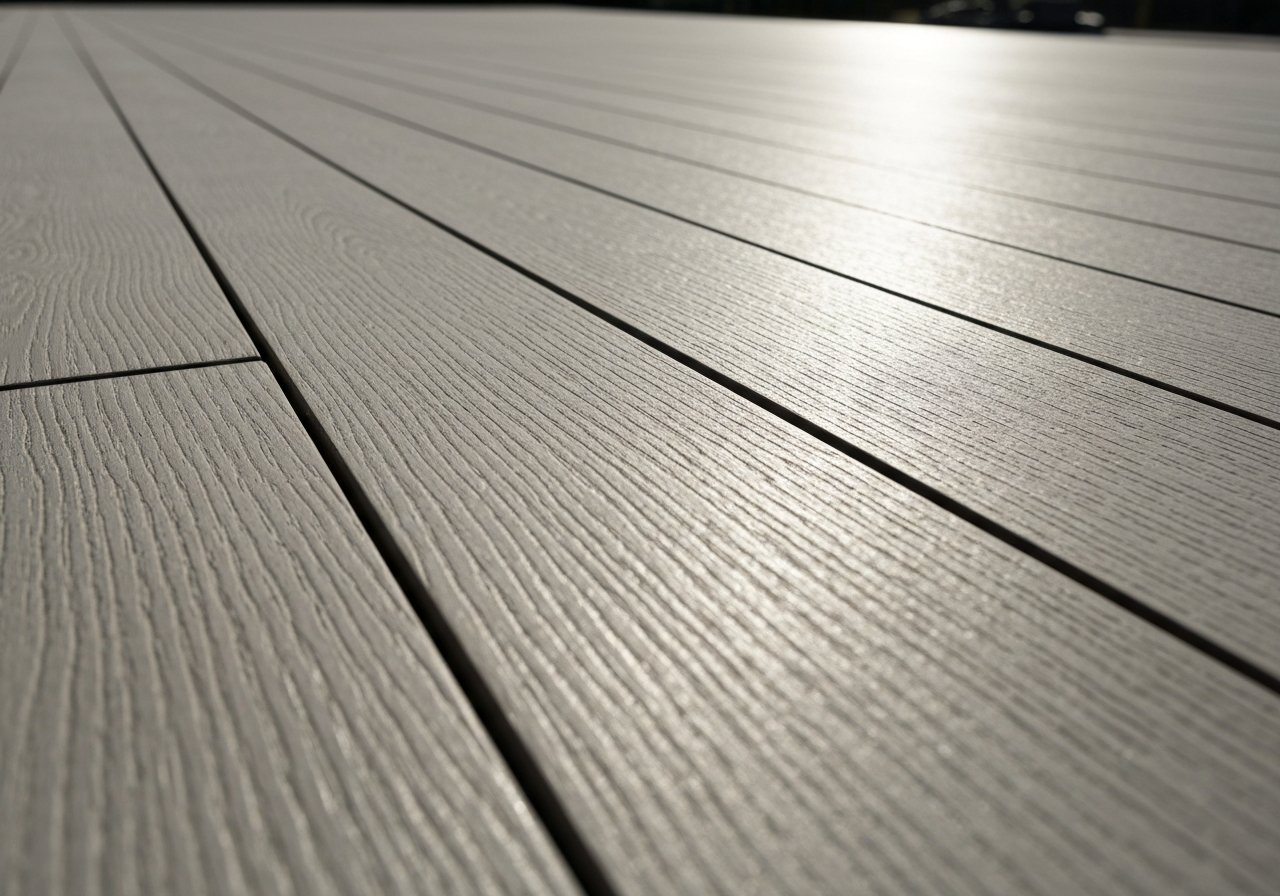
In contrast, PVC (polyvinyl chloride) deck boards are made entirely from virgin plastic, containing no wood fillers whatsoever. This pure PVC composition makes them impervious to moisture absorption. For homeowners in WNY and CNY, where freeze-thaw cycles are common and moisture is a constant concern, this difference is critical. A deck that doesn't absorb water won't swell, rot, or provide a food source for mold and mildew, significantly extending its lifespan and reducing maintenance needs.
Performance and Longevity in WNY's Challenging Climate
Beyond moisture resistance, the all-plastic construction of PVC deck boards offers superior performance against other environmental stressors prevalent in our region. PVC is inherently more resistant to fading from intense UV exposure during our bright summers, maintaining its color and aesthetic appeal for years without the need for staining or painting. Its uniform composition also means greater resistance to scratching and staining compared to composites, which can sometimes show wear more readily.
Furthermore, PVC's material properties contribute to better dimensional stability. While all materials expand and contract with temperature changes, PVC is engineered to handle these shifts effectively, reducing the likelihood of warping or buckling that can sometimes plague wood-plastic composites. This resilience makes PVC an ideal choice for the extreme temperature fluctuations experienced across Cheektowaga, Rochester, and Syracuse, ensuring your deck remains beautiful and safe with minimal upkeep, allowing you more time to enjoy it.
Choosing the right decking material is a significant investment. Understanding the material science behind PVC deck boards reveals why they offer superior durability, aesthetic retention, and low maintenance, especially for the demanding WNY and CNY climates. To explore how a high-performance PVC deck can enhance your home, we invite you to request a free quote for an estimate specific to your project.