Vinyl Railing vs. Wood: Your Ultimate Deck & Porch Guide


When it comes to enhancing the safety and aesthetics of your deck or porch, choosing the right railing material is a crucial decision. Homeowners often find themselves weighing the options, particularly in the common debate of vinyl railing vs wood. Both materials offer distinct advantages and disadvantages, impacting everything from initial cost and installation to long-term maintenance and overall curb appeal.

This comprehensive Q&A blog post from The Vinyl Outlet aims to be your go-to resource, providing clear, unbiased insights into the performance, durability, and value of both vinyl and wood railings. We’ll address the most common questions homeowners have, helping you make an informed choice that perfectly suits your lifestyle and home's exterior.

Is wood or vinyl deck railing better?

The question of whether wood or vinyl deck railing is “better” largely depends on your priorities regarding aesthetics, maintenance, durability, and budget. Both materials have unique characteristics that appeal to different homeowners.

  • Wood Railing: Traditionally popular, wood offers a classic, natural aesthetic that many find appealing. It can be stained or painted to match various home styles and provides a sturdy, robust feel. However, wood requires significant ongoing maintenance, including regular cleaning, sanding, staining, or painting to prevent rot, insect damage, splintering, and fading. Without proper care, wood can deteriorate quickly, leading to costly repairs or premature replacement.
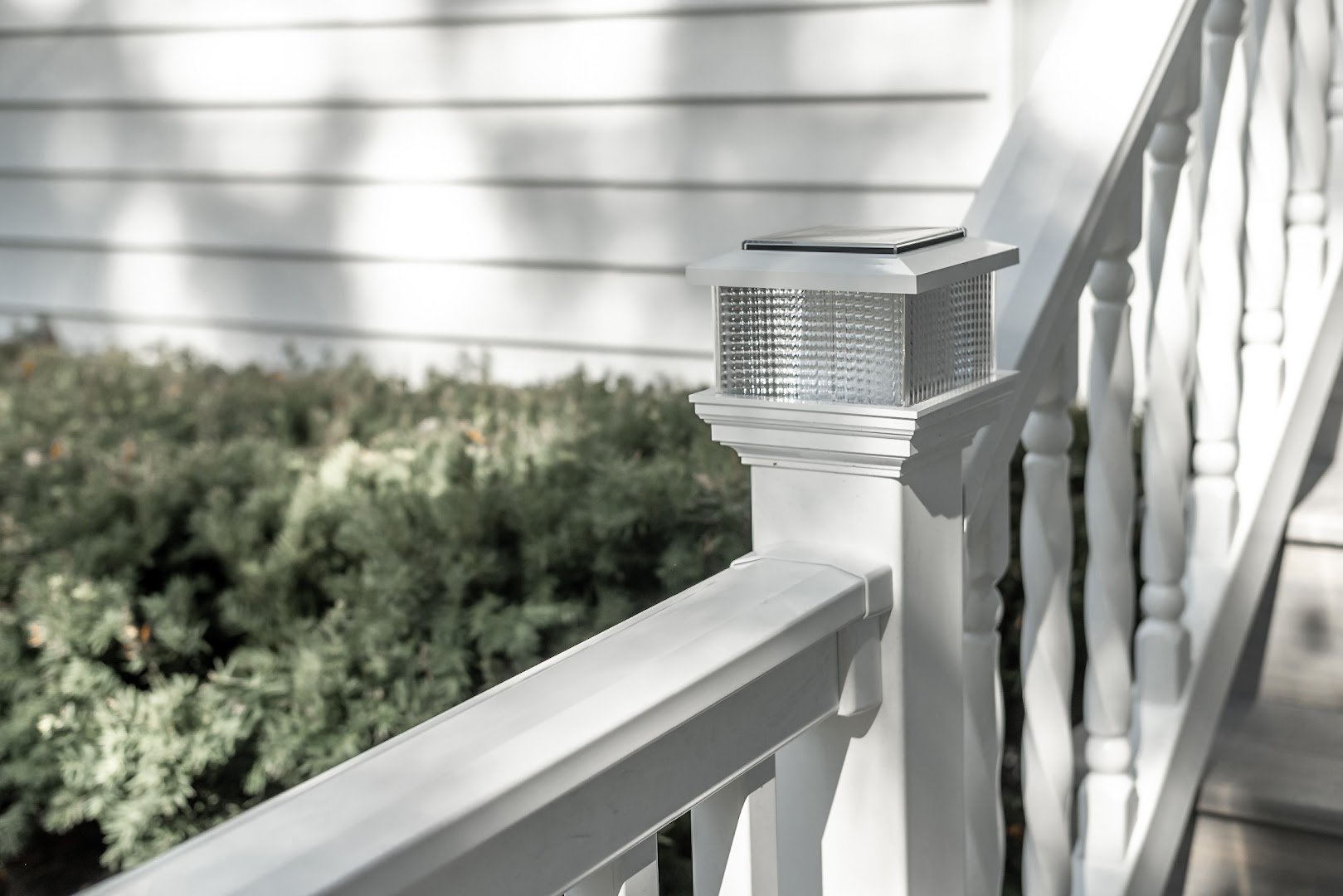
  • Vinyl Railing: Vinyl railings, on the other hand, are engineered for minimal maintenance and exceptional longevity. Made from PVC, vinyl is resistant to rot, insects, warping, and splintering. It never needs painting or staining; a simple wash with soap and water is usually enough to keep it looking new. While the initial cost of vinyl might sometimes be slightly higher than basic wood, its low maintenance requirements and extended lifespan often result in a lower total cost of ownership over time. Vinyl also offers a consistent, clean look that complements modern and traditional homes alike, with various styles and colors available.

Ultimately, if you prioritize a natural, customizable look and don't mind regular upkeep, wood might be your choice. If you value low maintenance, long-term durability, and a consistent aesthetic, vinyl often emerges as the superior option for many homeowners.

How long does a vinyl railing last?

One of the most compelling advantages of vinyl railing is its impressive longevity. When properly installed and maintained (which is minimal), a high-quality vinyl railing system can last for many decades, often exceeding the lifespan of traditional wood railings by a significant margin.

Vinyl, primarily made from PVC (polyvinyl chloride), is inherently resistant to many of the common issues that plague other outdoor materials:

  • Weather Resistance: It stands up exceptionally well to harsh weather conditions, including extreme temperatures, UV radiation, rain, and snow, without rotting, rusting, or corroding.
  • Pest Resistance: Unlike wood, vinyl is impervious to termites and other wood-boring insects, eliminating a major cause of deterioration.
  • Low Maintenance: Because it doesn't absorb moisture, vinyl won't warp, crack, or splinter. It also retains its color without fading, chalking, or yellowing, meaning you'll never need to paint, stain, or seal it. This lack of demanding maintenance directly contributes to its extended lifespan.

While no outdoor material is truly indestructible, vinyl railings are designed for enduring performance and aesthetic appeal with minimal effort, providing homeowners with peace of mind and a beautiful outdoor space for a very long time.

What is the best material for an outdoor railing?

Determining the “best” material for an outdoor railing involves balancing several factors, including climate, desired aesthetic, budget, and willingness to perform maintenance. While there are various options like wood, aluminum, composite, and vinyl, each has its strengths.

  • Wood: Offers a classic look and can be customized with stains or paints. It's often a lower initial cost but demands regular maintenance to prevent rot, pests, and weathering.
  • Aluminum: Known for its strength, sleek appearance, and low maintenance. It's durable and resistant to rust, making it a good choice for modern designs, though it can be more expensive upfront.
  • Composite: A blend of wood fibers and plastic, composite railings offer a good balance between the look of wood and the low maintenance of vinyl. They resist rot and insects but can be heavier and sometimes more costly.
  • Vinyl: Often considered one of the top contenders for outdoor railings due to its exceptional combination of durability, very low maintenance, and aesthetic versatility. Vinyl railings from The Vinyl Outlet are engineered to resist fading, cracking, splintering, and insect damage, maintaining their appearance for decades with just occasional cleaning. They offer a wide range of styles and colors to complement any home.

For many homeowners seeking a long-lasting, beautiful, and virtually maintenance-free solution, vinyl often proves to be the best material for an outdoor railing, offering superior value over its lifespan.

Are vinyl railings good?

Yes, vinyl railings are an excellent choice for outdoor spaces, offering a multitude of benefits that make them highly desirable for homeowners. Their popularity stems from a combination of practical advantages and aesthetic appeal:

  • Exceptional Durability: Vinyl railings are incredibly robust. They won't rot, rust, splinter, or succumb to insect infestations. This inherent strength means they maintain their structural integrity and appearance even after years of exposure to the elements.
  • Virtually Maintenance-Free: This is perhaps the biggest draw. Unlike wood, vinyl never needs sanding, staining, or painting. A simple wash with soap and water is typically all that's required to keep them looking pristine, freeing up your time for more enjoyable activities.
  • Long-Term Value: While the initial investment might be comparable to or slightly higher than some wood options, the absence of ongoing maintenance costs and the extended lifespan of vinyl railings translate into significant long-term savings and superior value.
  • Aesthetic Versatility: Modern vinyl railings come in a wide array of styles, colors, and textures, allowing them to seamlessly integrate with any architectural design, from classic to contemporary. They offer a clean, consistent look that enhances curb appeal.
  • Safety: Vinyl railings are designed to meet stringent safety standards, providing a secure barrier for your deck or porch. Their smooth surface also means no splinters, making them safer for families with children and pets.

Considering these benefits, vinyl railings are not just good; they are often the preferred solution for homeowners seeking a beautiful, durable, and low-maintenance outdoor railing system.

Ready to explore the perfect railing solution for your home? The Vinyl Outlet offers a wide range of vinyl railing styles to complement any aesthetic, ensuring a beautiful, durable, and low-maintenance addition to your outdoor living space. Our experts are here to guide you through the options and help you choose the best fit for your needs.

Contact us today for a free quote and let us help you design an outdoor space that combines lasting beauty with minimal upkeep.
Quick Answers

Is wood or vinyl deck railing better?
The question of whether wood or vinyl deck railing is “better” largely depends on your priorities regarding aesthetics, maintenance, durability, and budget. Both materials have unique characteristics that appeal to different homeowners.Wood Railing: Traditionally popular, wood offers a classic, natural aesthetic that many find appealing. It can be stained or painted to match various home styles and provides a sturdy, robust feel. However, wood requires significant ongoing maintenance, including regular cleaning, sanding, staining, or painting to prevent rot, insect damage, splintering, and fading. Without proper care, wood can deteriorate quickly, leading to costly repairs or premature replacement.Vinyl Railing: Vinyl railings, on the other hand, are engineered for minimal maintenance and exceptional longevity. Made from PVC, vinyl is resistant to rot, insects, warping, and splintering. It never needs painting or staining; a simple wash with soap and water is usually enough to keep it looking new. While the initial cost of vinyl might sometimes be slightly higher than basic wood, its low maintenance requirements and extended lifespan often result in a lower total cost of ownership over time. Vinyl also offers a consistent, clean look that complements modern and traditional homes alike, with various styles and colors available.Ultimately, if you prioritize a natural, customizable look and don't mind regular upkeep, wood might be your choice. If you value low maintenance, long-term durability, and a consistent aesthetic, vinyl often emerges as the superior option for many homeowners.
How long does a vinyl railing last?
One of the most compelling advantages of vinyl railing is its impressive longevity. When properly installed and maintained (which is minimal), a high-quality vinyl railing system can last for many decades, often exceeding the lifespan of traditional wood railings by a significant margin.Vinyl, primarily made from PVC (polyvinyl chloride), is inherently resistant to many of the common issues that plague other outdoor materials:Weather Resistance: It stands up exceptionally well to harsh weather conditions, including extreme temperatures, UV radiation, rain, and snow, without rotting, rusting, or corroding.Pest Resistance: Unlike wood, vinyl is impervious to termites and other wood-boring insects, eliminating a major cause of deterioration.Low Maintenance: Because it doesn't absorb moisture, vinyl won't warp, crack, or splinter. It also retains its color without fading, chalking, or yellowing, meaning you'll never need to paint, stain, or seal it. This lack of demanding maintenance directly contributes to its extended lifespan.While no outdoor material is truly indestructible, vinyl railings are designed for enduring performance and aesthetic appeal with minimal effort, providing homeowners with peace of mind and a beautiful outdoor space for a very long time.
What is the best material for an outdoor railing?
Determining the “best” material for an outdoor railing involves balancing several factors, including climate, desired aesthetic, budget, and willingness to perform maintenance. While there are various options like wood, aluminum, composite, and vinyl, each has its strengths.Wood: Offers a classic look and can be customized with stains or paints. It's often a lower initial cost but demands regular maintenance to prevent rot, pests, and weathering.Aluminum: Known for its strength, sleek appearance, and low maintenance. It's durable and resistant to rust, making it a good choice for modern designs, though it can be more expensive upfront.Composite: A blend of wood fibers and plastic, composite railings offer a good balance between the look of wood and the low maintenance of vinyl. They resist rot and insects but can be heavier and sometimes more costly.Vinyl: Often considered one of the top contenders for outdoor railings due to its exceptional combination of durability, very low maintenance, and aesthetic versatility. Vinyl railings from The Vinyl Outlet are engineered to resist fading, cracking, splintering, and insect damage, maintaining their appearance for decades with just occasional cleaning. They offer a wide range of styles and colors to complement any home.For many homeowners seeking a long-lasting, beautiful, and virtually maintenance-free solution, vinyl often proves to be the best material for an outdoor railing, offering superior value over its lifespan.
Are vinyl railings good?
Yes, vinyl railings are an excellent choice for outdoor spaces, offering a multitude of benefits that make them highly desirable for homeowners. Their popularity stems from a combination of practical advantages and aesthetic appeal:Exceptional Durability: Vinyl railings are incredibly robust. They won't rot, rust, splinter, or succumb to insect infestations. This inherent strength means they maintain their structural integrity and appearance even after years of exposure to the elements.Virtually Maintenance-Free: This is perhaps the biggest draw. Unlike wood, vinyl never needs sanding, staining, or painting. A simple wash with soap and water is typically all that's required to keep them looking pristine, freeing up your time for more enjoyable activities.Long-Term Value: While the initial investment might be comparable to or slightly higher than some wood options, the absence of ongoing maintenance costs and the extended lifespan of vinyl railings translate into significant long-term savings and superior value.Aesthetic Versatility: Modern vinyl railings come in a wide array of styles, colors, and textures, allowing them to seamlessly integrate with any architectural design, from classic to contemporary. They offer a clean, consistent look that enhances curb appeal.Safety: Vinyl railings are designed to meet stringent safety standards, providing a secure barrier for your deck or porch. Their smooth surface also means no splinters, making them safer for families with children and pets.Considering these benefits, vinyl railings are not just good; they are often the preferred solution for homeowners seeking a beautiful, durable, and low-maintenance outdoor railing system.
← Back to Blog
Share:
Common Questions

Frequently Asked Questions

Straight answers to the questions The Vinyl Outlet customers ask most often before booking a quote.

How much does a vinyl fence installation cost?
Every yard is different — most residential vinyl fence projects at The Vinyl Outlet land between $28 and $55 per linear foot installed, depending on style (privacy vs. picket vs. pool code), post spacing, gate count, and access to the job site. Get a free on-site measurement and we'll walk you through the itemized quote.
How long does a vinyl fence last?
Our vinyl carries a limited lifetime warranty against cracking, peeling, fading and rotting. Vinyl doesn't need paint, stain, sealant or replacement pickets like wood does — expect 30+ years of service with routine wash-downs and nothing else.
Do I need a permit to install a fence?
In most WNY and CNY municipalities, yes — permit requirements and setback rules vary by town. The Vinyl Outlet handles the permit filing for you as part of the install; we'll confirm the local code and any HOA restrictions during your quote.
How long does installation take?
Most residential fence installs finish in 1–3 days once we're on-site. Decks and porches typically take 3–7 days depending on size and railing complexity. Weather and ground conditions can extend the timeline slightly in winter.
Do you install year-round?
Yes. The Vinyl Outlet installs throughout the year, weather permitting. Ground freeze can slow post-setting on the coldest weeks of winter, but we still book quotes and start soil-suitable projects. Spring and fall are our busiest booking windows — schedule early if you want a summer completion date.
From the field

Images from Our Recent Work

See full gallery →
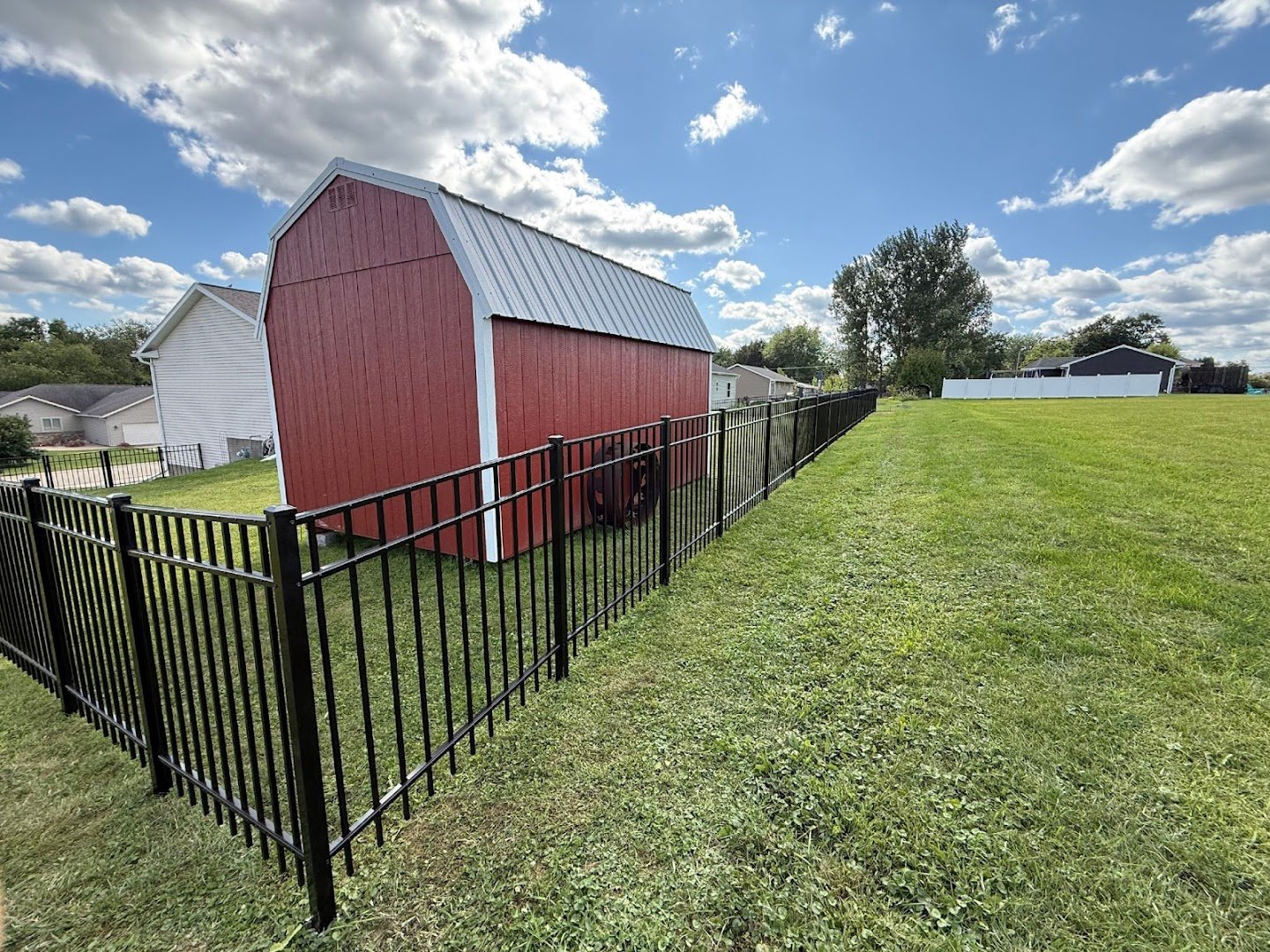
The Vinyl Outlet installation photo The Vinyl Outlet installation photo The Vinyl Outlet installation photo The Vinyl Outlet installation photo
Ready when you are

Get a Free Estimate

Browse our gallery or request a quote online — we'll be in touch within one business day.

Serving WNY and CNY including: Buffalo, Rochester, Syracuse, Niagara Falls, Auburn, Batavia, Ithaca, Jamestown, Liverpool, Lockport and beyond.

Get a Free Quote

Interested in*