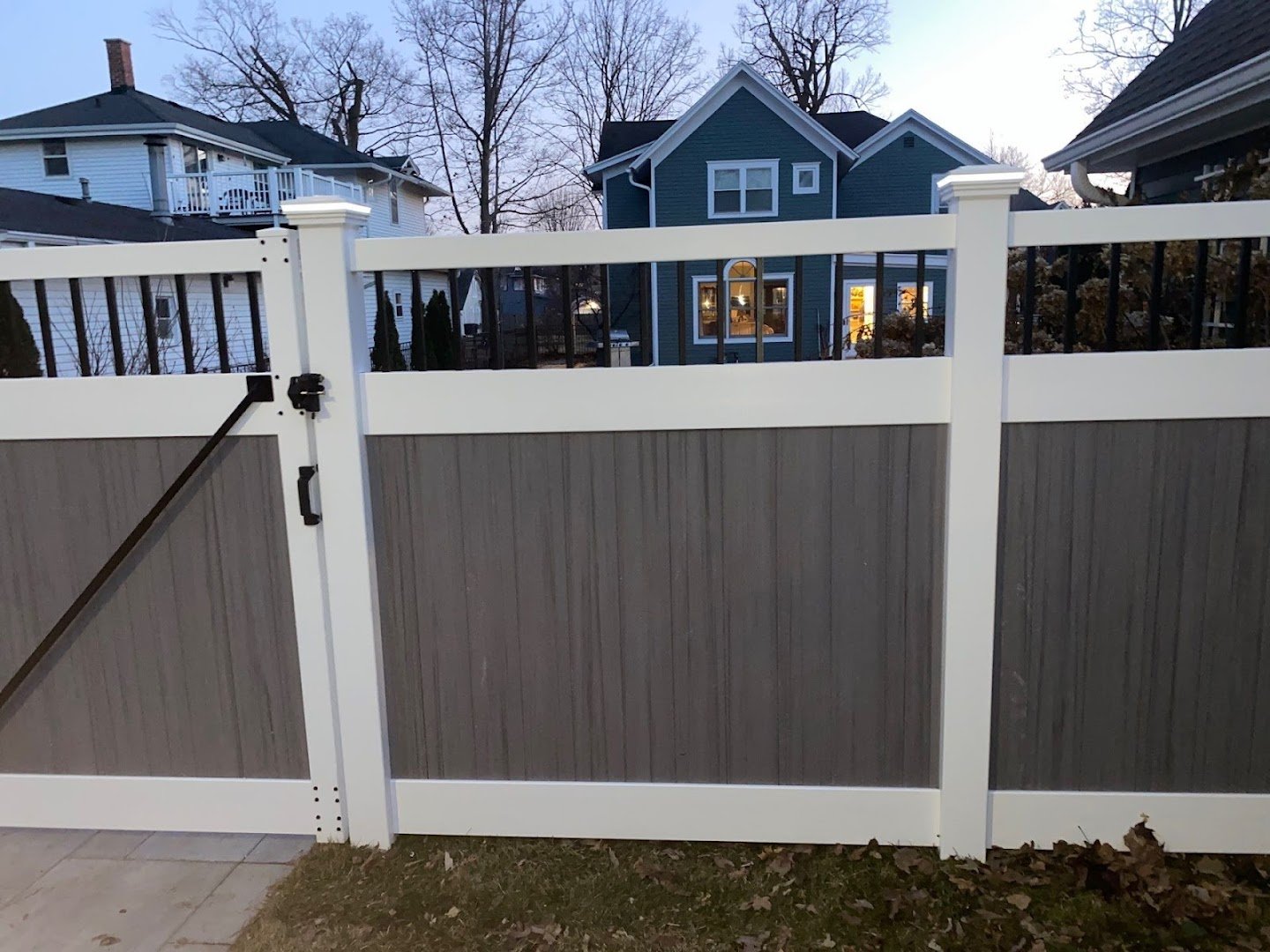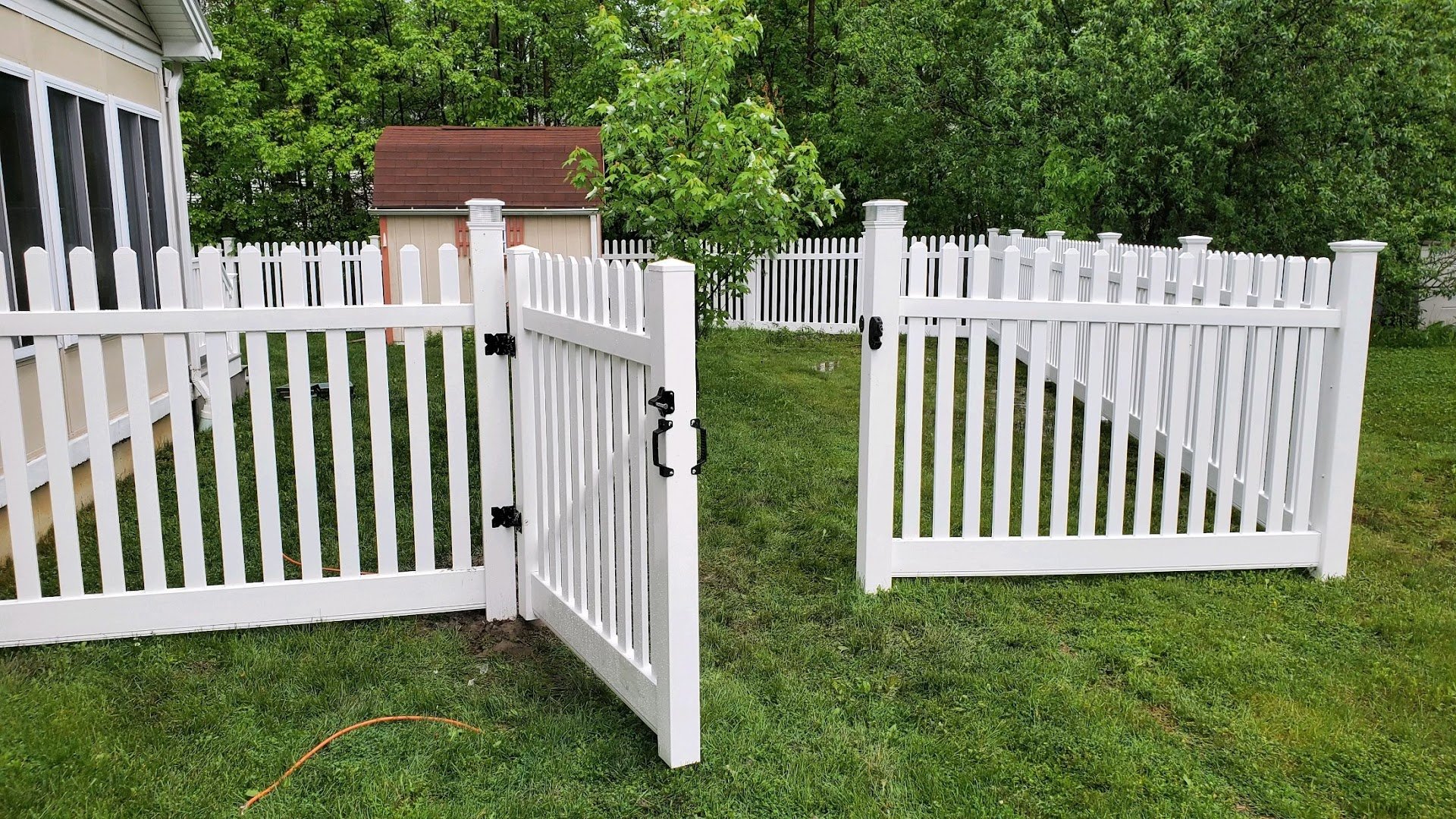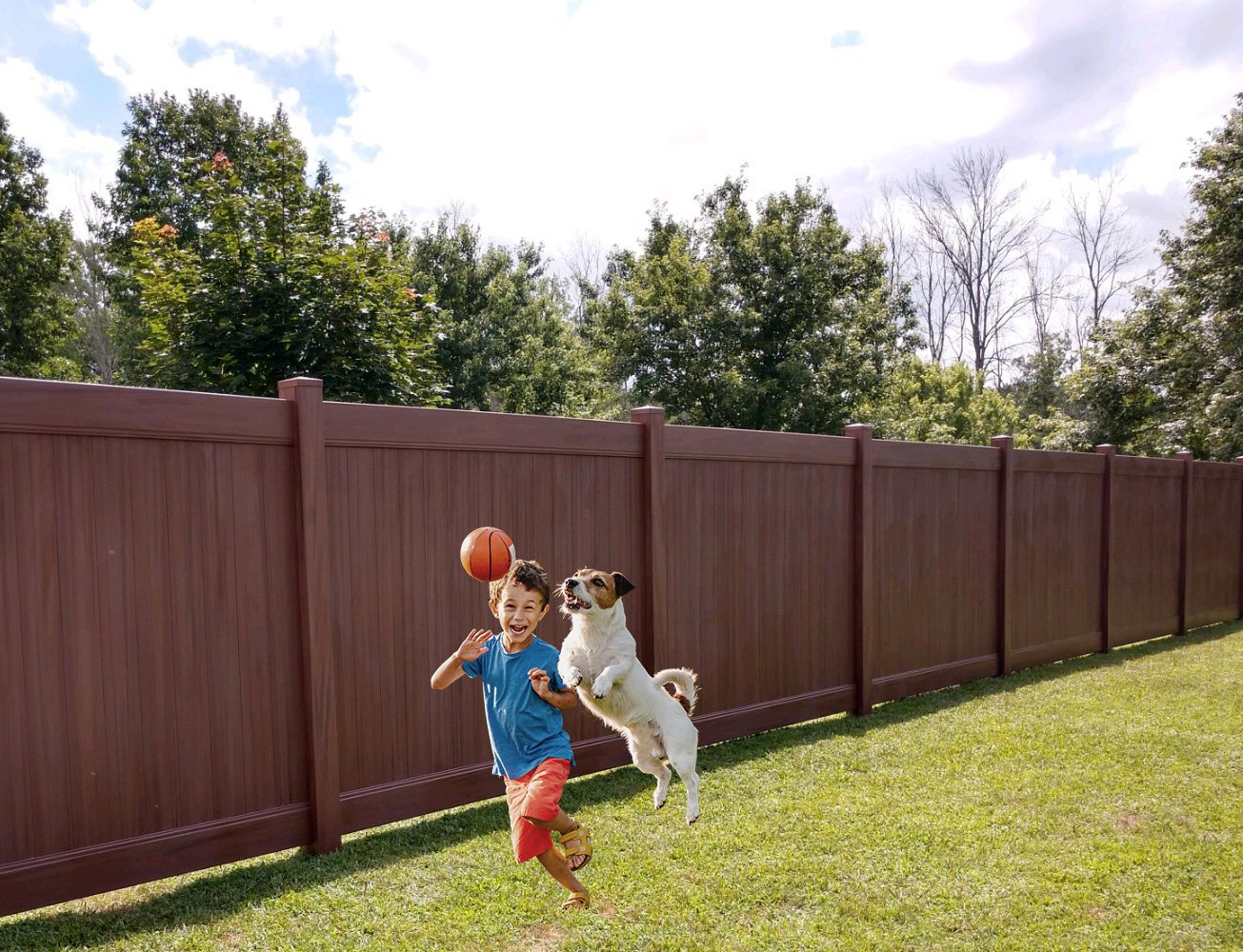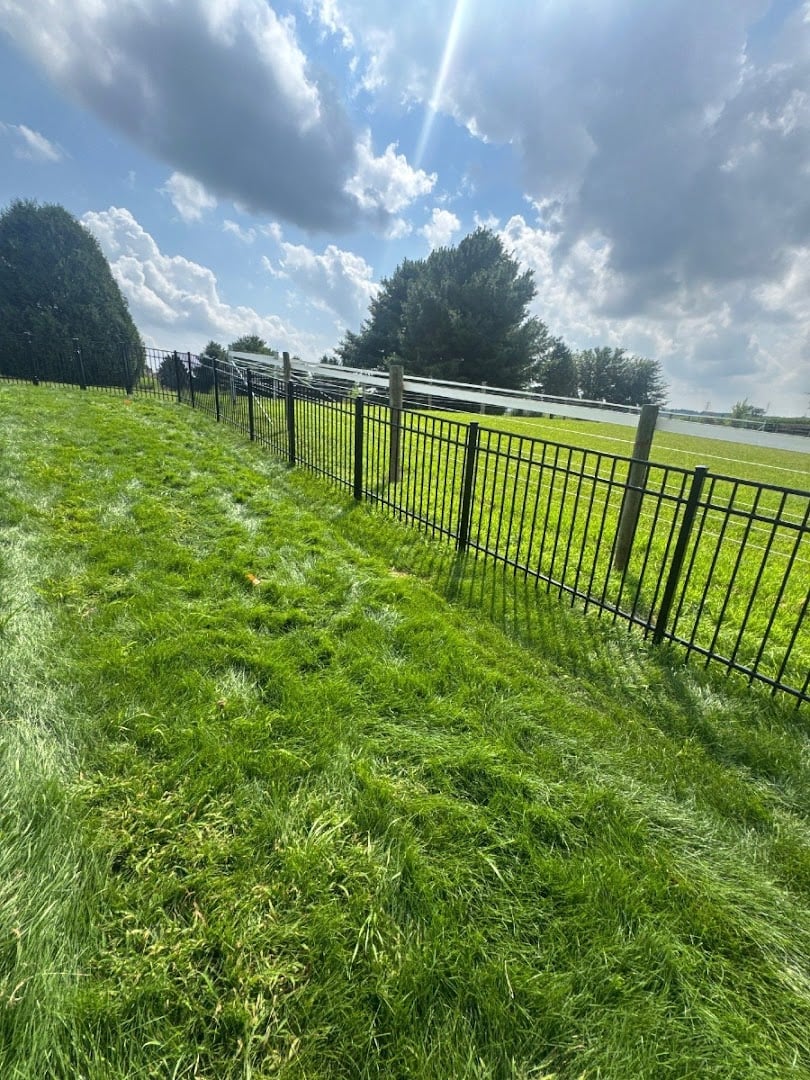
Quick answer: A well-designed pool fence gate combines self-closing hinges, self-latching mechanisms, and durable, weather-resistant materials to keep children and pets safely away from the water while remaining easy for adults to use. The Vinyl Outlet specializes in pool fence installation that balances these safety features with everyday convenience, especially for homeowners seeking pool fence installation Rochester NY.
Key Takeaways
- Self-closing and self-latching gates are the single most effective barrier features for preventing accidental drowning.
- Gate placement, swing direction, and latch height all affect both safety compliance and daily usability.
- Choosing durable, low-maintenance materials protects your investment and keeps the gate functioning correctly for years.
A pool fence does its job well until the gate becomes an afterthought. Homeowners often invest in sturdy fencing but overlook the one component that gets touched every single day: the gate. Since the gate is the only moving, openable part of the barrier, it's also the most likely point of failure if a child or pet manages to slip through.
The good news is that gate technology has come a long way. Modern pool fence gates aren't just barriers, they're engineered systems designed to close automatically, latch securely, and hold up against years of sun, rain, and pool chemicals. Below, we'll break down the features that matter most and explain why they're worth prioritizing when planning your pool fence installation.
Why does a self-closing gate matter so much for pool safety?
A self-closing gate uses a spring-loaded hinge to automatically swing shut after someone walks through it. This feature matters because it removes human error from the equation. Even the most careful adult can forget to close a gate manually, especially during a busy pool party or while carrying pool toys and towels.
According to the Consumer Product Safety Commission, isolation fencing with self-closing and self-latching gates can reduce child drowning risk by as much as 50% compared to pools without a four-sided barrier. That statistic alone explains why most municipal pool codes, including those enforced across Monroe County, require self-closing hardware on any gate that provides pool access.
What makes a self-latching mechanism effective?
Self-latching gates automatically lock into place the moment they close, without requiring anyone to manually engage the latch. The most effective designs include:
- Positive-locking latches that snap shut with an audible click, so you know instantly if the gate is secure.
- Latch placement at least 54 inches from the ground, which is high enough to be out of reach for most young children.
- Non-climbable hardware, meaning the latch mechanism doesn't create a foothold or handhold on the fence's exterior side.
The combination of self-closing and self-latching hardware forms the backbone of a code-compliant, genuinely protective pool gate. Skipping either feature, or installing them incorrectly, significantly weakens the entire fence system.
Should the gate swing inward or outward?
Pool safety codes typically require gates to swing away from the pool, meaning outward, not inward toward the water. This detail matters more than most homeowners realize. If a gate swings inward, a child pushing against it while trying to exit could actually help force it open under pressure. An outward swing works with the self-closing mechanism instead of against it, since gravity and spring tension pull the gate shut and away from the pool area.
The Vinyl Outlet always confirms swing direction during the planning phase of pool fence installation Rochester NY projects, since local inspectors check this detail closely during final approval.
How do materials affect gate durability and safety?
A gate is only as reliable as the materials it's built from. Metal hardware exposed to pool chemicals and humidity can corrode over time, causing latches to stick or hinges to weaken. Vinyl gate frames paired with stainless steel or powder-coated hardware resist rust, warping, and UV damage far better than standard steel or untreated wood alternatives.
Choose vinyl if long-term, low-maintenance performance in humid or chemically treated environments matters more than upfront cost. Vinyl won't rot, splinter, or require repainting, which keeps the safety hardware functioning correctly year after year without frequent adjustments.
What convenience features should homeowners look for?
Safety doesn't have to come at the expense of everyday usability. Several features help gates stay both protective and practical:
- Double-gate access points for wider entry when moving pool equipment or furniture.
- Keyed or keypad entry options for households that want to control access without relying on a simple latch alone.
- Adjustable hinge tension, which lets homeowners fine-tune how firmly the gate swings shut.
These additions don't compromise child safety when installed correctly. Instead, they reduce daily friction so families are less tempted to prop a gate open or bypass the latch out of convenience.
How does professional installation improve gate performance?
Even the best hardware fails if it's installed incorrectly. A gate that's slightly out of alignment can drag, fail to latch fully, or swing shut with too little force to engage the lock. Professional pool fence installation ensures gates are leveled, hinges are properly tensioned, and latches sit at code-compliant heights from the start.
The Vinyl Outlet's installation teams also inspect existing fence lines for ground shifting or settling, since even a small change in fence-post positioning can throw off gate alignment over time. This kind of forensic-detail-level attention is difficult to replicate with a do-it-yourself approach.
Frequently Asked Questions
What is the minimum height requirement for a pool fence gate latch?
Most local codes, including those in the Rochester, NY area, require latches to be installed at least 54 inches above ground level, keeping them out of reach for young children.
Can I add self-closing hardware to an existing pool gate?
Yes. In many cases, self-closing hinges and self-latching mechanisms can be retrofitted onto existing gates, though The Vinyl Outlet recommends a professional inspection first to confirm the gate frame can support the added hardware properly.
How much does pool fence gate installation typically cost?
Costs vary based on gate size, material, and hardware complexity, but investing in quality self-closing and self-latching features upfront typically costs less than repairing or replacing failed hardware down the line.
Is vinyl a good material choice for pool fence gates in humid climates?
Vinyl resists rust, warping, and chemical damage, making it a strong choice for pool environments where humidity and chlorine exposure would quickly degrade untreated wood or standard metal.
Do I need a permit for pool fence installation in Rochester, NY?
Most municipalities, including areas around Rochester, require a permit and inspection for new pool fencing. The Vinyl Outlet handles permit coordination as part of the installation process.
Ready to upgrade your pool fence gate?
A pool fence is only as strong as its weakest point, and that's usually the gate. Self-closing hinges, self-latching hardware, and durable materials aren't optional extras. They're the features that turn a fence into a genuine safety barrier rather than a false sense of security.
If your current gate sticks, swings the wrong way, or simply doesn't latch reliably anymore, it might be time for an upgrade. The Vinyl Outlet offers expert pool fence installation Rochester NY homeowners trust for safety-focused, code-compliant results. Contact us today for a free consultation.