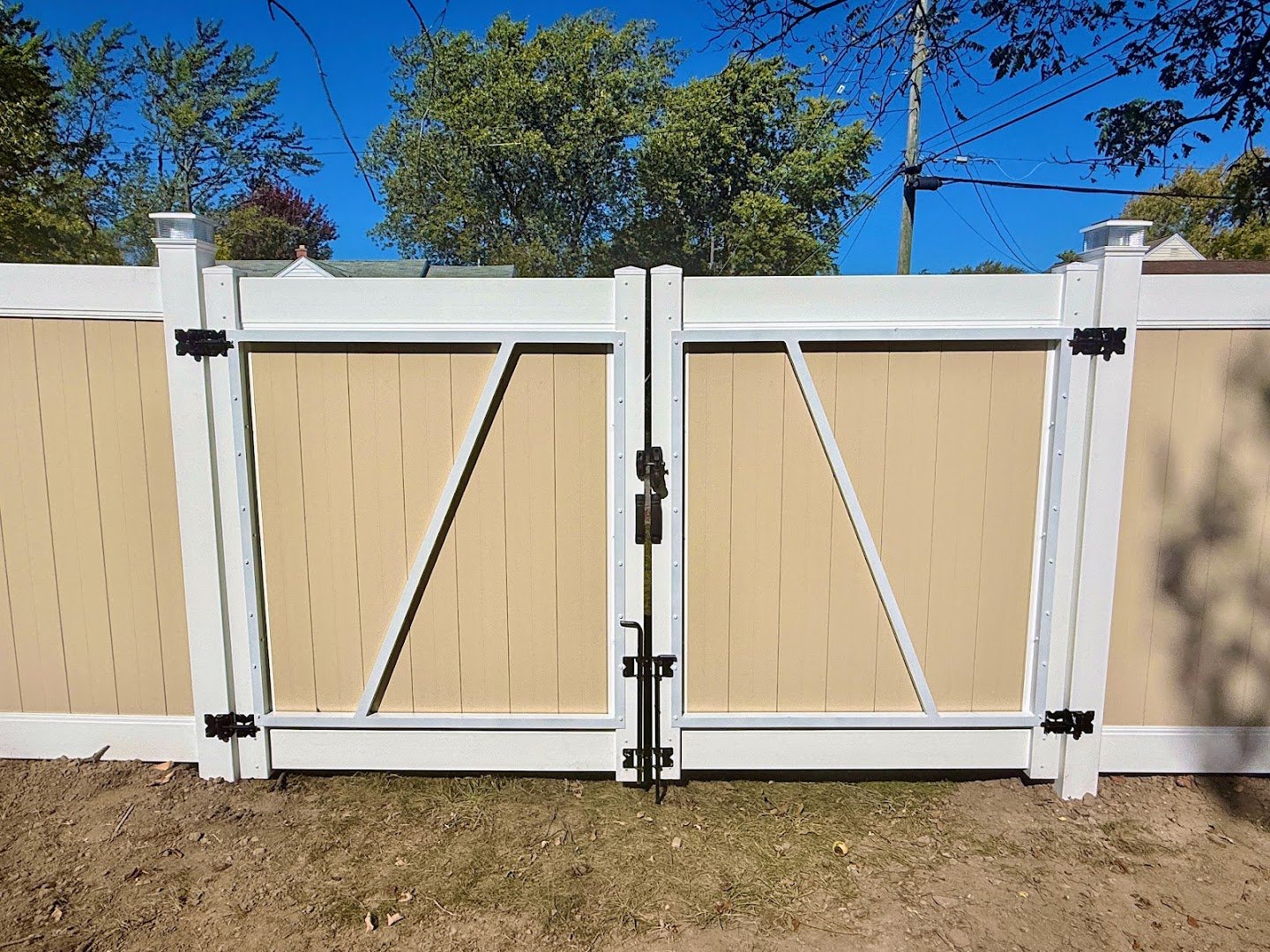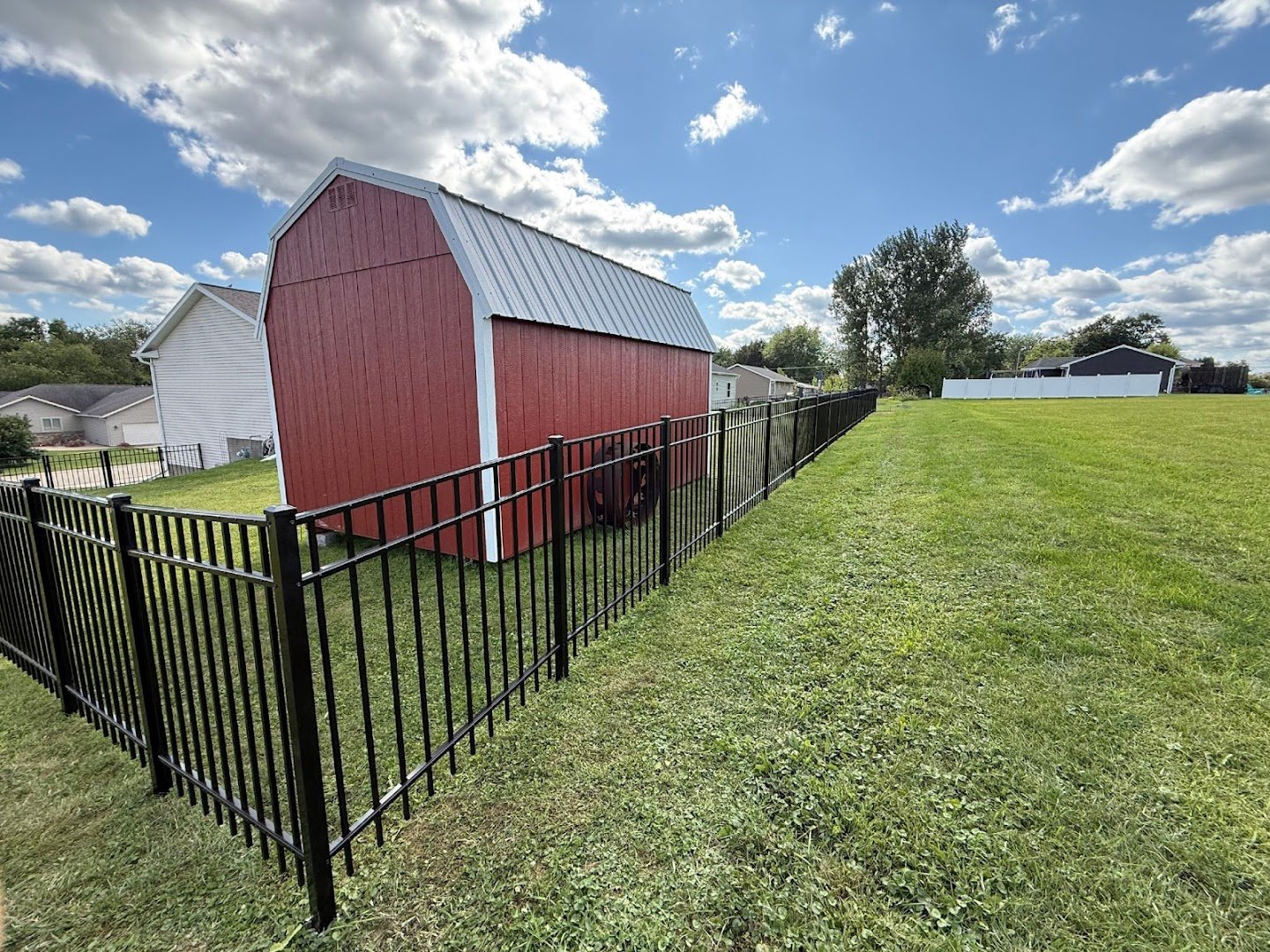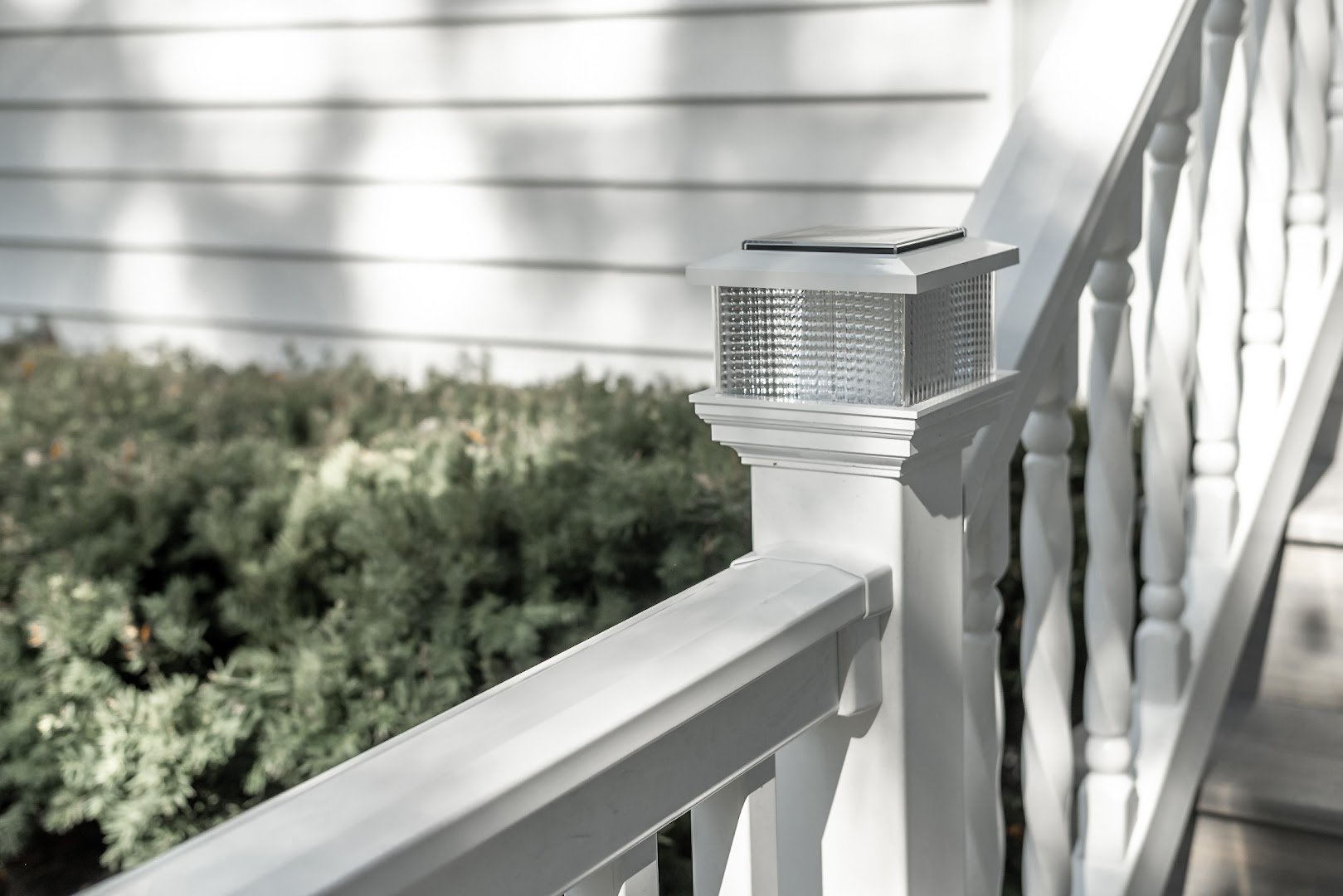
Vinyl fencing has become a top choice for homeowners seeking durability, curb appeal, and, perhaps most importantly, incredibly low maintenance. Unlike traditional wood fences that demand regular painting, staining, or sealing, vinyl fences offer a beautiful, long-lasting solution with minimal upkeep. However, "low maintenance" doesn't mean "no maintenance." A little bit of care goes a long way in preserving the pristine look and structural integrity of your investment. Understanding proper vinyl fence maintenance is key to ensuring your fence continues to enhance your property for decades.
At The Vinyl Outlet, we believe in empowering our customers with the knowledge to get the most out of their vinyl products. This comprehensive Q&A post will dive into common questions about vinyl fence care, providing practical advice to keep your fence looking as good as the day it was installed. Let's explore how simple it is to maintain the beauty and strength of your vinyl fence.
How do you maintain a vinyl fence?
Maintaining a vinyl fence is remarkably straightforward, primarily involving routine cleaning to keep it looking fresh. The beauty of vinyl lies in its non-porous surface, which resists dirt, grime, and mold much better than other materials. Here’s a simple guide to effective vinyl fence maintenance:
- Routine Cleaning: For general dirt, dust, and light grime, a simple rinse with a garden hose is often sufficient. For a deeper clean, especially after pollen season or a dusty period, mix a mild household detergent (like dish soap) with water in a bucket. Use a soft-bristled brush or a sponge to scrub the fence panels gently. Always work in sections and rinse thoroughly with clean water before the soap dries to prevent streaks.
- Tackling Tougher Stains: For more stubborn marks like mud, grass stains, or scuff marks, a slightly stronger cleaning solution might be needed. Many general-purpose household cleaners are safe for vinyl, but always test on an inconspicuous area first. Avoid abrasive cleaners or scouring pads, as these can scratch the vinyl surface.
- Mold and Mildew: In damp or shaded areas, mold and mildew can occasionally appear. A solution of 70% water and 30% white vinegar, or a diluted bleach solution (one part bleach to four parts water), can be very effective. Apply with a soft cloth or sponge, let it sit for a few minutes, then scrub gently and rinse thoroughly. Always wear gloves and eye protection when working with bleach.
- Pressure Washing: A pressure washer can be used for larger fences, but with caution. Use a wide-angle nozzle (25-40 degrees) and keep the pressure below 1500 PSI. Hold the nozzle at least a foot away from the fence surface to avoid damaging the vinyl or forcing water into seams.
- Regular Inspection: While vinyl is incredibly durable, it's a good practice to periodically inspect your fence for any loose caps, minor damage, or areas that might need a quick clean. Addressing small issues promptly prevents them from becoming larger problems.
By following these simple steps, your vinyl fence from The Vinyl Outlet will continue to provide a beautiful, low-maintenance boundary for your property for many years to come.
What are the downsides of vinyl fencing?
While vinyl fencing boasts numerous advantages, it's helpful for homeowners to understand potential considerations before making a decision. Here are a few aspects often cited as downsides of vinyl fencing:
- Initial Cost: One of the most common points raised is the upfront investment. Vinyl fences typically have a higher initial material cost compared to some traditional wood fences. However, this higher initial outlay is often offset by vinyl's longevity and significantly lower maintenance requirements over its lifespan, leading to substantial savings on painting, staining, and repairs. It's an investment that pays dividends in time and effort saved.
- Repair Complexity: While vinyl is robust, if a panel or section does get severely damaged (e.g., from a strong impact), individual picket replacement can be more challenging than with wood. Often, an entire section or panel may need to be replaced. However, the good news is that such damage is rare, and repairs are typically straightforward for a professional.
- Lack of Customization in Color: Vinyl fences are manufactured in specific colors, most commonly white, tan, or gray. Unlike wood, they cannot be painted or stained to change their appearance. While this means no fading or peeling paint, it also limits color customization options once installed. The color you choose is the color you'll have for the life of the fence.
- Susceptibility to Extreme Heat (Rare): In extremely rare cases, or if exposed to intense, direct heat sources (like a barbecue grill placed too close), vinyl can warp or melt. This is not a common issue under normal conditions but is something to be aware of.
- Potential for Chalking: Over many, many years, especially in areas with intense sun exposure, some vinyl fences might experience a phenomenon called "chalking," where a fine, powdery residue forms on the surface. This is a natural degradation of the UV inhibitors and is generally harmless and easily washed away with a good cleaning. It does not compromise the fence's integrity.
Despite these points, the overwhelming benefits of vinyl—its incredible durability, resistance to rot, pests, and weathering, and minimal maintenance—make it a superior choice for many homeowners seeking a long-term fencing solution.
Can you use Dawn dish soap on a vinyl fence?
Absolutely, yes! Dawn dish soap, or most other mild liquid dish soaps, is an excellent and highly recommended cleaning agent for your vinyl fence. Its gentle yet effective formula makes it perfect for breaking down and removing common dirt, grime, pollen, and light mildew without harming the vinyl surface.
Here’s why Dawn dish soap is a great choice and how to use it effectively:
- Gentle Cleaning Power: Dawn is designed to cut through grease and food residue on dishes, and it works similarly on your fence. It can lift away surface contaminants without being abrasive or corrosive to the vinyl material.
- Readily Available and Affordable: You likely already have it in your home, making it a convenient and cost-effective solution for routine fence maintenance.
- Safe for Vinyl: Unlike harsh chemical cleaners that can potentially discolor or damage vinyl over time, mild dish soap is safe for the material and won't strip its protective layers.
How to use Dawn dish soap on your vinyl fence:
- Dilute It: Fill a bucket with warm water and add a few squirts of Dawn dish soap. You don't need a lot; a tablespoon or two per gallon of water is usually sufficient to create a good soapy solution.
- Apply and Scrub: Dip a soft-bristled brush, sponge, or a clean cloth into the soapy water. Apply the solution to a section of your fence and gently scrub in circular motions to loosen dirt and grime. For tougher spots, you might let the solution sit for a minute or two to penetrate the buildup.
- Rinse Thoroughly: This is a crucial step. Once you've scrubbed a section, immediately rinse it completely with a garden hose, ensuring all soap residue is washed away. This prevents streaks and soap spots from drying on the fence. Work in manageable sections to ensure you can rinse before the soap dries.
- Repeat: Move to the next section until your entire fence is clean and sparkling.
Using Dawn dish soap is a simple, safe, and effective method to keep your vinyl fence looking pristine and well-maintained year after year, reinforcing the low-maintenance appeal of vinyl fencing.
Will vinegar ruin a vinyl fence?
No, white vinegar will not ruin a vinyl fence. In fact, white vinegar is a fantastic, eco-friendly, and safe cleaning agent that many homeowners use for vinyl fence maintenance, especially for specific types of stains and buildup. Its mild acidic properties make it effective without being corrosive to the durable PVC material of your fence.
Here’s why vinegar is safe and effective, and how to use it:
- Effective Against Mildew and Mold: White vinegar is a natural disinfectant and fungicide. It's particularly useful for treating mildew, mold, and algae that might appear on your fence, especially in shaded or damp areas. It can kill these growths and help prevent their return.
- Removes Hard Water Stains: If you live in an area with hard water, you might notice mineral deposits or unsightly streaks on your fence after rain or irrigation. Vinegar's mild acidity can dissolve these mineral buildups, restoring your fence's clean appearance.
- Safe for the Environment: As a natural product, vinegar is a great alternative to harsher chemical cleaners, making it safer for your plants, pets, and the environment around your fence.
How to use vinegar on your vinyl fence:
- Dilution is Key: For general cleaning and mildew removal, a solution of 70% water and 30% white vinegar is usually sufficient. For tougher hard water stains, you can use a stronger 50/50 mix, or even undiluted vinegar for very stubborn spots, though it's always wise to test on an inconspicuous area first.
- Apply and Let Sit: Apply the vinegar solution using a spray bottle, sponge, or soft cloth directly to the affected areas. For best results, let the solution sit on the fence for 5-15 minutes to allow the vinegar to work its magic on the stains or mildew.
- Scrub Gently: After letting it sit, use a soft-bristled brush or sponge to gently scrub the area. You should see the stains or mildew begin to lift away easily.
- Rinse Thoroughly: Always rinse the fence thoroughly with clean water from a garden hose after cleaning with vinegar. This removes any residue and ensures your fence is sparkling clean.
By incorporating white vinegar into your cleaning routine, you can effectively tackle common vinyl fence issues, keeping your fence looking pristine without any risk of damage.
Ready to explore the lasting beauty and minimal maintenance of a vinyl fence for your property? The Vinyl Outlet is here to help. Our team of experts understands the unique needs of homeowners and can guide you through selecting the perfect vinyl solution that complements your home and lifestyle.
Contact us today for a free quote and let us show you why a vinyl fence is a smart, beautiful, and durable investment for your home.