Quick Answer: The right vinyl fence height depends on your goals—privacy, security, or curb appeal—as well as local zoning laws and HOA rules. Most homeowners choose between 4-foot, 6-foot, and 8-foot panels. Getting the height wrong can mean costly replacements, so it pays to plan carefully before installation.
Fence height sounds simple. Pick something tall enough to block the neighbors' view, done. But spend five minutes talking to a fencing contractor and you'll quickly realize there's a lot more to it.
The height you choose affects everything—your property's curb appeal, your legal compliance, and whether your fence actually does what you need it to do. Choose too short, and your backyard becomes a fishbowl. Go too tall, and your local municipality might ask you to take it down. Neither outcome is ideal.
This guide walks you through everything you need to know to make the right call before your vinyl fence installation gets underway.
Key Takeaways
- Vinyl fence installation height requirements vary by location—always check local zoning laws and HOA guidelines before purchasing materials.
- The most common residential vinyl fence heights are 4 feet (decorative/front yard), 6 feet (privacy), and 8 feet (maximum security or commercial use).
- Choosing the wrong height can lead to failed inspections, neighbor disputes, or the need for a costly reinstallation.
Why Vinyl Fence Height Matters More Than You Think
Height is one of the most consequential decisions you'll make during a vinyl fence installation. It directly influences how well your fence performs its intended function—whether that's keeping pets in, keeping strangers out, or simply framing your landscaping.
Get it right, and your fence works seamlessly with your property for decades. Get it wrong, and you're looking at permit rejections, unhappy neighbors, or a fence that doesn't actually provide the privacy you paid for.
What Are the Standard Vinyl Fence Heights Available?
Most vinyl fence installation providers offer panels in four standard heights:
- 3–4 feet — Decorative fencing, front yards, garden borders
- 5 feet — A mid-range option, less common but useful for pool enclosures
- 6 feet — The most popular height for backyard privacy
- 8 feet — Maximum privacy or commercial applications
Each height serves a different purpose, and the best choice depends on where the fence is going and what you need from it.
How Do Local Zoning Laws Affect Vinyl Fence Height in Buffalo, NY?
Before ordering a single panel, check with your local municipality. In Buffalo, NY and across Erie County, zoning ordinances typically cap residential fence heights at:
- 4 feet in front yards
- 6 feet in side and rear yards
Exceeding these limits without a variance can result in a stop-work order or a requirement to remove the fence entirely. If you live in a neighborhood with a homeowners association (HOA), you'll also need to review their specific guidelines, which may be stricter than municipal codes.
The good news: a reputable vinyl fence installation Buffalo NY company will know these regulations inside and out and can guide you through the permit process before any work begins.
Which Vinyl Fence Height Is Right for Your Specific Goals?
What height should you choose for privacy?
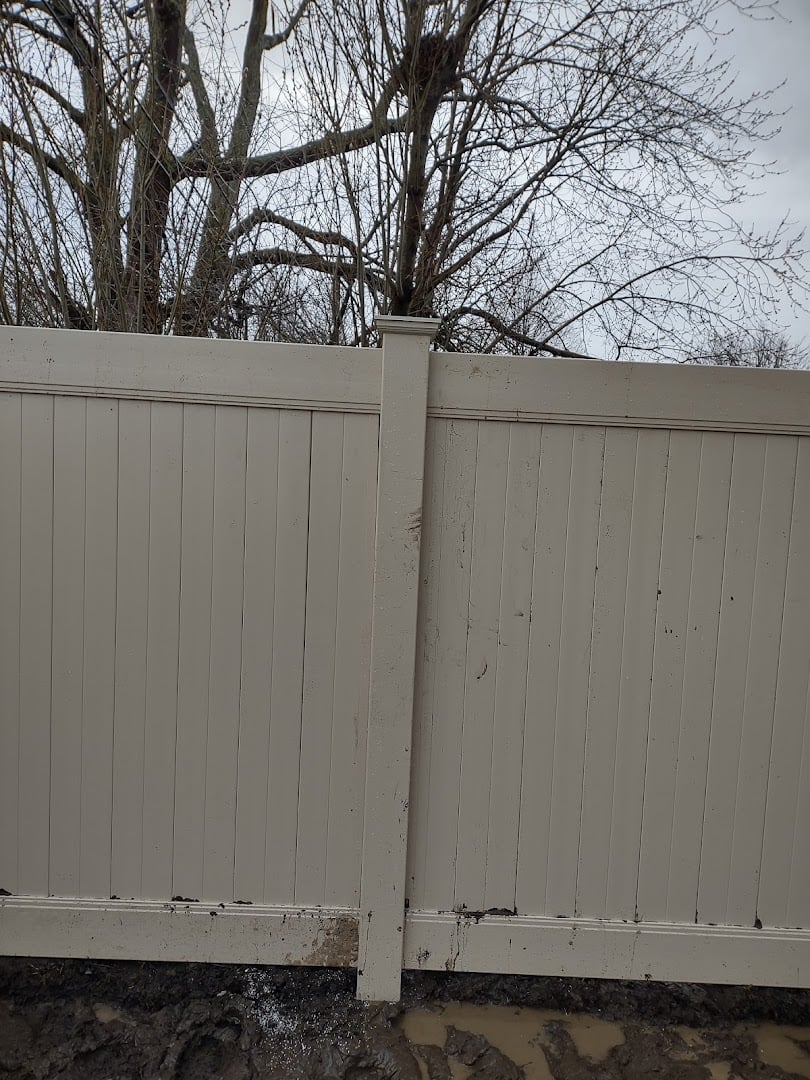
If privacy is the priority, a 6-foot privacy fence is the standard choice for good reason. At 6 feet, the fence blocks sightlines from neighbors and passing pedestrians without requiring a zoning variance in most Buffalo-area properties. For enhanced privacy, some homeowners opt for 8-foot panels—just confirm this is permitted in your zone before proceeding.
What height works best for decorative or front-yard fences?
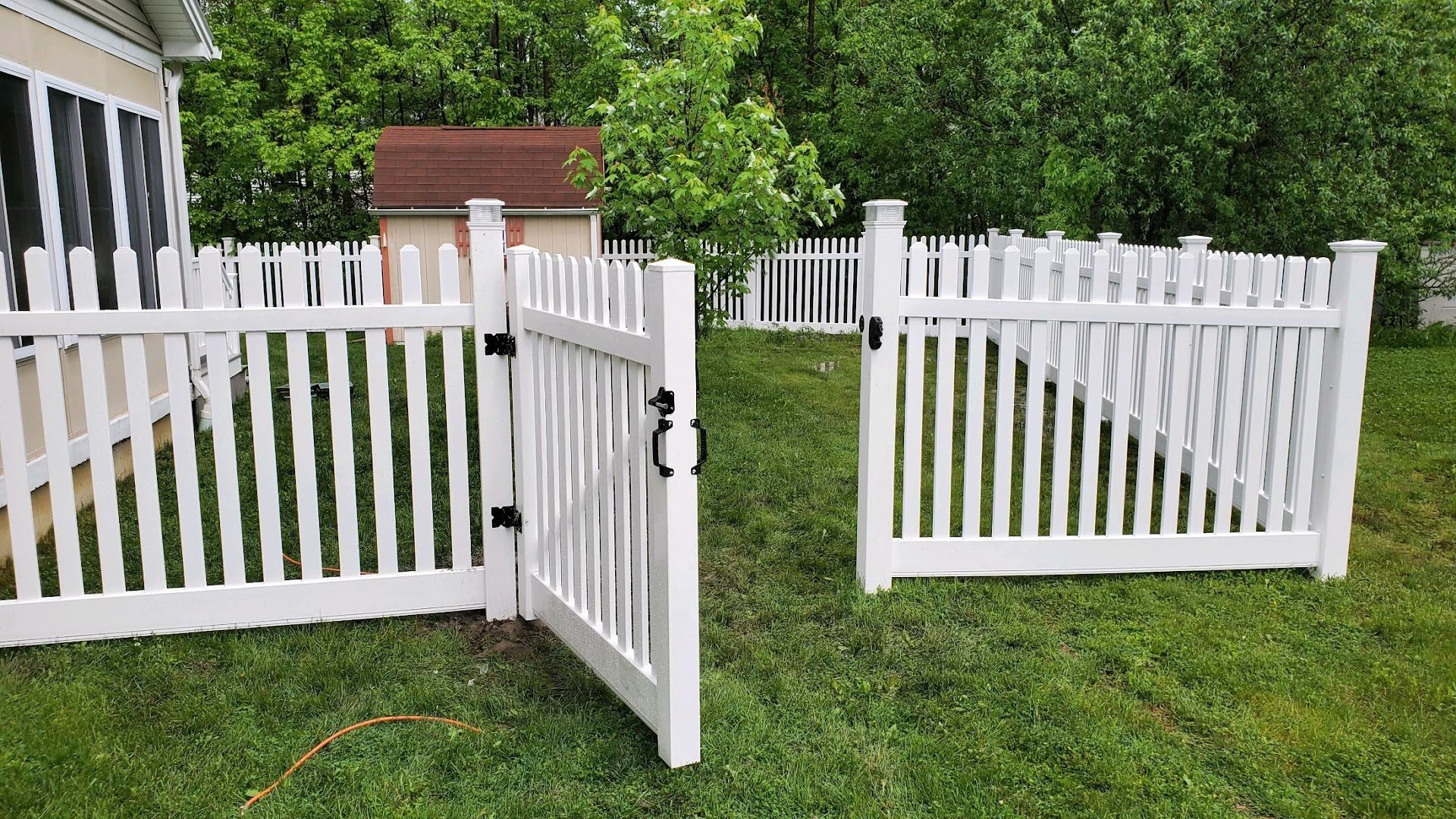
Front yards typically call for shorter, decorative fencing in the 3- to 4-foot range. These styles define property boundaries and add curb appeal without creating a fortress-like appearance. Picket-style vinyl fences are a popular choice here, offering a clean, classic look that holds up well against Western New York winters.
What fence height is recommended for pet containment?
For dogs, height depends almost entirely on breed. Small breeds are usually contained by a 4-foot fence. Medium to large breeds—especially athletic ones like Labrador Retrievers or German Shepherds—typically require at least 5 to 6 feet. If you have an exceptionally agile dog, a 6-foot fence with no horizontal rails on the outside (which can act as footholds) is your best bet.
What height is appropriate for pool enclosures?
Pool fencing carries its own set of requirements. In New York State, residential swimming pools must be enclosed by a barrier at least 4 feet high, with self-closing, self-latching gates. Some municipalities require 5 feet. Check with your local building department before proceeding with any pool-adjacent vinyl fence installation Buffalo NY project.
Should You Factor in Terrain and Slope?
Yes—and this is where many homeowners get caught off guard. If your yard has a significant slope, the effective height of your fence will vary along its length. A 6-foot fence installed on a downhill grade may appear shorter on one end than the other.
There are two common solutions:
- Stepped fencing — Panels step down in sections to follow the slope
- Racked fencing — Panels are angled to follow the ground contour continuously
Both approaches maintain a consistent fence height relative to the posts, but they look different aesthetically. A professional installer can help you determine which method suits your terrain and style preferences.
Does Fence Height Affect Property Value?
It can—in both directions. A well-proportioned vinyl fence that complements the home's architecture and landscaping typically adds value and buyer appeal. A fence that feels out of scale with the property (too tall for a small yard, or too short to serve any meaningful function) can have the opposite effect.
For most Buffalo-area homeowners, a 6-foot privacy fence in the rear yard and a 4-foot decorative fence in the front yard strikes the right balance between function and aesthetics.
How to Make Your Final Decision Before Installation
Before confirming your fence height with a contractor, run through this short checklist:
- Check local zoning ordinances for height restrictions in your specific zone
- Review HOA rules, if applicable
- Identify your primary goal — privacy, security, aesthetics, or pet/child containment
- Assess your yard's terrain to determine if racked or stepped panels are needed
- Consider sightlines — walk your property and identify where gaps in privacy actually exist
- Consult a professional — an experienced vinyl fence installation contractor can spot complications before they become expensive problems
Frequently Asked Questions
What is the most common vinyl fence height for residential properties?
Six feet is the most popular height for residential backyard privacy fencing. It satisfies most local zoning limits while providing effective privacy from neighbors and passersby.
Do I need a permit for vinyl fence installation in Buffalo, NY?
In most cases, yes. Buffalo and surrounding municipalities typically require a building permit for fence installations. Your contractor should be familiar with local requirements and can often assist with the permit application process.
Can I install an 8-foot vinyl fence in my backyard?
Possibly, but it depends on your local zoning laws. Most residential zones in the Buffalo area cap rear yard fences at 6 feet. An 8-foot fence would likely require a zoning variance, which involves a formal application and approval process.
How does fence height affect the total cost of vinyl fence installation?
Taller panels cost more per linear foot due to increased material requirements. Installation costs also rise slightly with height, as taller posts need to be set deeper into the ground for stability.
What vinyl fence height is required for a pool enclosure in New York?
New York State mandates a minimum barrier height of 4 feet for residential pool enclosures. Some municipalities may require 5 feet. Always verify with your local building department before installation.
The Bottom Line: Plan First, Install Second
Choosing the right vinyl fence height isn't about picking the tallest option and calling it a day. It's about matching height to purpose, terrain, and local rules—so your fence works exactly as intended from day one.
At The Vinyl Outlet, our team brings years of hands-on experience to every vinyl fence installation Buffalo NY project. We handle the measurements, the permits, and the heavy lifting so you don't have to. Ready to get started? Contact us today for a free consultation and quote.