How Much Does a 100-Foot Vinyl Fence Cost? Your Complete Guide


Planning a new fence for your property is an exciting step, and understanding the investment involved is naturally one of the first questions homeowners have. If you're specifically asking, "how much does a 100-foot vinyl fence cost?", you're in the right place. While providing an exact figure without understanding your specific project details is impossible, we can certainly walk you through the key factors that influence the overall price of a vinyl fence installation.

At The Vinyl Outlet, we believe in empowering our customers with knowledge. This comprehensive Q&A will delve into what goes into vinyl fence pricing, covering everything from material choices and styles to labor and installation considerations. Our goal is to equip you with the information you need to budget effectively and make confident decisions about enhancing your home's curb appeal and privacy with a durable, low-maintenance vinyl fence.

How much should I expect to pay for a vinyl fence?

When considering the investment in a new vinyl fence, it's important to understand that the total cost isn't a single, fixed number. Instead, it's a dynamic figure influenced by several key factors unique to each project. Generally, you should expect to pay for the quality of materials, the complexity of the design, and the professional installation services required.

The primary drivers of cost include the style of vinyl fence you choose. For instance, a full privacy fence, which uses more material, will typically cost more per linear foot than a classic picket fence or a two-rail farm style fence. Height also plays a significant role; a 6-foot privacy fence naturally requires more material and labor than a 4-foot one. Beyond the basic style and height, customization options like decorative post caps, multiple gates, or specific colors (while white is standard, other colors might carry a slight premium) can also influence the final price.

Furthermore, the terrain of your property can impact installation costs. Sloping land, rocky soil, or areas requiring extensive site preparation will add to the labor involved. The number of gates and their hardware, as well as any special requirements for corner posts or end posts, are also factored in. While we can't provide an exact dollar amount without understanding your specific needs, focusing on these variables will help you gauge the potential investment. The best way to get an accurate estimate tailored to your property is to request a detailed, no-obligation quote from a reputable provider, where all these elements are assessed to give you a clear picture.

How much is 300 feet of fencing?

Extrapolating the cost for 300 feet of fencing follows similar principles to a 100-foot project, but with the obvious increase in material and labor volume. While the overall total investment will be substantially higher due to the increased linear footage, it's worth noting that sometimes, larger projects can see a marginal decrease in the per-foot cost for certain elements like material delivery or initial site setup, though this isn't always a guarantee and varies by provider.

For 300 feet, all the factors we discussed for a shorter fence become even more pronounced. The chosen style (e.g., full privacy, semi-privacy, picket, or rail), the fence height, and any specific color choices will significantly multiply across the greater length. The number and type of gates you need for such an extensive perimeter will also add up, as will any specialized hardware or decorative elements. Consider how many access points you'll require around your 300-foot boundary.

Installation complexity remains a critical factor. A 300-foot run over perfectly flat, clear ground will be more straightforward than a similar length across varied terrain, through dense landscaping, or around numerous obstacles. Professional installation ensures proper alignment, structural integrity, and adherence to local regulations, which is especially crucial for longer fence lines where even minor errors can compound over distance. To get a precise understanding of what 300 feet of fencing would cost for your specific property, we highly recommend obtaining a personalized assessment and detailed quote, which will account for all these variables.

How much does it cost to build a 100 ft fence?

The question "how much does it cost to build a 100 ft fence?" encompasses both the material expenses and the labor involved in bringing your fence project to life. For a 100-foot vinyl fence, the total cost will be a combination of the raw materials and the installation services, whether you choose to tackle it yourself or hire professionals.

If you're considering a DIY approach, the "cost to build" would primarily be the materials themselves – posts, rails, pickets/panels, gates, hardware, and any necessary tools you don't already own. While this might seem like a way to save money upfront, it's crucial to factor in your time, potential for errors, and the specialized equipment often needed for a proper, long-lasting installation. Vinyl fencing, while low maintenance, requires precise installation to ensure its durability and aesthetic appeal for decades.

For most homeowners, opting for professional installation is the preferred route. This means the "cost to build" includes not only the high-quality vinyl materials but also the expertise, efficiency, and specialized tools of an experienced installation team. Professionals ensure proper post hole depth, correct alignment, adherence to property lines, and compliance with local building codes. This eliminates the stress and potential pitfalls of a DIY project, often saving money in the long run by preventing costly mistakes and ensuring the fence stands strong against the elements. When you receive a quote from a company like The Vinyl Outlet, it typically covers both the premium materials and the expert installation, providing a comprehensive and transparent cost for your 100-foot vinyl fence project.

Is a vinyl fence cheaper than wood?

This is a very common and excellent question, as many homeowners weigh the initial investment against long-term value. When comparing vinyl fences to traditional wood fences, the answer isn't always straightforward, but vinyl often emerges as the more economical choice over the lifespan of the fence, even if the initial upfront cost might sometimes be slightly higher or comparable.

Initially, a basic pressure-treated wood fence might appear to have a lower per-foot cost than a vinyl fence. However, this initial saving often comes with significant hidden costs down the line. Wood fences require ongoing maintenance, including regular cleaning, staining or painting every few years, and repairs due to warping, rotting, splintering, or insect damage. These recurring expenses for materials and labor (or your valuable time) can quickly add up, making the "cheaper" wood fence far more expensive over a 10-20 year period.

Vinyl fences, on the other hand, are designed for exceptional durability and virtually no maintenance. Once installed, they never need painting, staining, or sealing. They won't rot, warp, splinter, or be susceptible to insect infestations. A simple rinse with a garden hose is usually all that's needed to keep them looking pristine. This incredible longevity and minimal upkeep translate into substantial savings over time, offering a superior return on your investment. While the upfront price for a vinyl fence might be a bit more, or on par with higher-end wood options, its long-term cost-effectiveness and enduring beauty make it a truly smart choice for homeowners seeking value and peace of mind.

Understanding the factors that influence the cost of a 100-foot vinyl fence is the first step towards making an informed decision. While we can't provide exact pricing without knowing your specific needs, we hope this guide has given you a clearer picture of what goes into your investment. When you're ready to explore options tailored to your property and receive a precise estimate, we invite you to connect with the experts at The Vinyl Outlet.

We offer personalized consultations and detailed, free quotes, ensuring you get the perfect vinyl fence, deck, porch, or railing solution for your home. Let us help you enhance your property with durable, beautiful, and low-maintenance vinyl products.
Quick Answers

How much should I expect to pay for a vinyl fence?
When considering the investment in a new vinyl fence, it's important to understand that the total cost isn't a single, fixed number. Instead, it's a dynamic figure influenced by several key factors unique to each project. Generally, you should expect to pay for the quality of materials, the complexity of the design, and the professional installation services required. The primary drivers of cost include the style of vinyl fence you choose. For instance, a full privacy fence, which uses more material, will typically cost more per linear foot than a classic picket fence or a two-rail farm style fence. Height also plays a significant role; a 6-foot privacy fence naturally requires more material and labor than a 4-foot one. Beyond the basic style and height, customization options like decorative post caps, multiple gates, or specific colors (while white is standard, other colors might carry a slight premium) can also influence the final price. Furthermore, the terrain of your property can impact installation costs. Sloping land, rocky soil, or areas requiring extensive site preparation will add to the labor involved. The number of gates and their hardware, as well as any special requirements for corner posts or end posts, are also factored in. While we can't provide an exact dollar amount without understanding your specific needs, focusing on these variables will help you gauge the potential investment. The best way to get an accurate estimate tailored to your property is to request a detailed, no-obligation quote from a reputable provider, where all these elements are assessed to give you a clear picture.
How much is 300 feet of fencing?
Extrapolating the cost for 300 feet of fencing follows similar principles to a 100-foot project, but with the obvious increase in material and labor volume. While the overall total investment will be substantially higher due to the increased linear footage, it's worth noting that sometimes, larger projects can see a marginal decrease in the per-foot cost for certain elements like material delivery or initial site setup, though this isn't always a guarantee and varies by provider. For 300 feet, all the factors we discussed for a shorter fence become even more pronounced. The chosen style (e.g., full privacy, semi-privacy, picket, or rail), the fence height, and any specific color choices will significantly multiply across the greater length. The number and type of gates you need for such an extensive perimeter will also add up, as will any specialized hardware or decorative elements. Consider how many access points you'll require around your 300-foot boundary. Installation complexity remains a critical factor. A 300-foot run over perfectly flat, clear ground will be more straightforward than a similar length across varied terrain, through dense landscaping, or around numerous obstacles. Professional installation ensures proper alignment, structural integrity, and adherence to local regulations, which is especially crucial for longer fence lines where even minor errors can compound over distance. To get a precise understanding of what 300 feet of fencing would cost for your specific property, we highly recommend obtaining a personalized assessment and detailed quote, which will account for all these variables.
How much does it cost to build a 100 ft fence?
The question "how much does it cost to build a 100 ft fence?" encompasses both the material expenses and the labor involved in bringing your fence project to life. For a 100-foot vinyl fence, the total cost will be a combination of the raw materials and the installation services, whether you choose to tackle it yourself or hire professionals. If you're considering a DIY approach, the "cost to build" would primarily be the materials themselves – posts, rails, pickets/panels, gates, hardware, and any necessary tools you don't already own. While this might seem like a way to save money upfront, it's crucial to factor in your time, potential for errors, and the specialized equipment often needed for a proper, long-lasting installation. Vinyl fencing, while low maintenance, requires precise installation to ensure its durability and aesthetic appeal for decades. For most homeowners, opting for professional installation is the preferred route. This means the "cost to build" includes not only the high-quality vinyl materials but also the expertise, efficiency, and specialized tools of an experienced installation team. Professionals ensure proper post hole depth, correct alignment, adherence to property lines, and compliance with local building codes. This eliminates the stress and potential pitfalls of a DIY project, often saving money in the long run by preventing costly mistakes and ensuring the fence stands strong against the elements. When you receive a quote from a company like The Vinyl Outlet, it typically covers both the premium materials and the expert installation, providing a comprehensive and transparent cost for your 100-foot vinyl fence project.
Is a vinyl fence cheaper than wood?
This is a very common and excellent question, as many homeowners weigh the initial investment against long-term value. When comparing vinyl fences to traditional wood fences, the answer isn't always straightforward, but vinyl often emerges as the more economical choice over the lifespan of the fence, even if the initial upfront cost might sometimes be slightly higher or comparable. Initially, a basic pressure-treated wood fence might appear to have a lower per-foot cost than a vinyl fence. However, this initial saving often comes with significant hidden costs down the line. Wood fences require ongoing maintenance, including regular cleaning, staining or painting every few years, and repairs due to warping, rotting, splintering, or insect damage. These recurring expenses for materials and labor (or your valuable time) can quickly add up, making the "cheaper" wood fence far more expensive over a 10-20 year period. Vinyl fences, on the other hand, are designed for exceptional durability and virtually no maintenance. Once installed, they never need painting, staining, or sealing. They won't rot, warp, splinter, or be susceptible to insect infestations. A simple rinse with a garden hose is usually all that's needed to keep them looking pristine. This incredible longevity and minimal upkeep translate into substantial savings over time, offering a superior return on your investment. While the upfront price for a vinyl fence might be a bit more, or on par with higher-end wood options, its long-term cost-effectiveness and enduring beauty make it a truly smart choice for homeowners seeking value and peace of mind.
← Back to Blog
Share:
Common Questions

Frequently Asked Questions

Straight answers to the questions The Vinyl Outlet customers ask most often before booking a quote.

How much does a vinyl fence installation cost?
Every yard is different — most residential vinyl fence projects at The Vinyl Outlet land between $28 and $55 per linear foot installed, depending on style (privacy vs. picket vs. pool code), post spacing, gate count, and access to the job site. Get a free on-site measurement and we'll walk you through the itemized quote.
How long does a vinyl fence last?
Our vinyl carries a limited lifetime warranty against cracking, peeling, fading and rotting. Vinyl doesn't need paint, stain, sealant or replacement pickets like wood does — expect 30+ years of service with routine wash-downs and nothing else.
Do I need a permit to install a fence?
In most WNY and CNY municipalities, yes — permit requirements and setback rules vary by town. The Vinyl Outlet handles the permit filing for you as part of the install; we'll confirm the local code and any HOA restrictions during your quote.
How long does installation take?
Most residential fence installs finish in 1–3 days once we're on-site. Decks and porches typically take 3–7 days depending on size and railing complexity. Weather and ground conditions can extend the timeline slightly in winter.
Do you install year-round?
Yes. The Vinyl Outlet installs throughout the year, weather permitting. Ground freeze can slow post-setting on the coldest weeks of winter, but we still book quotes and start soil-suitable projects. Spring and fall are our busiest booking windows — schedule early if you want a summer completion date.
From the field

Images from Our Recent Work

See full gallery →
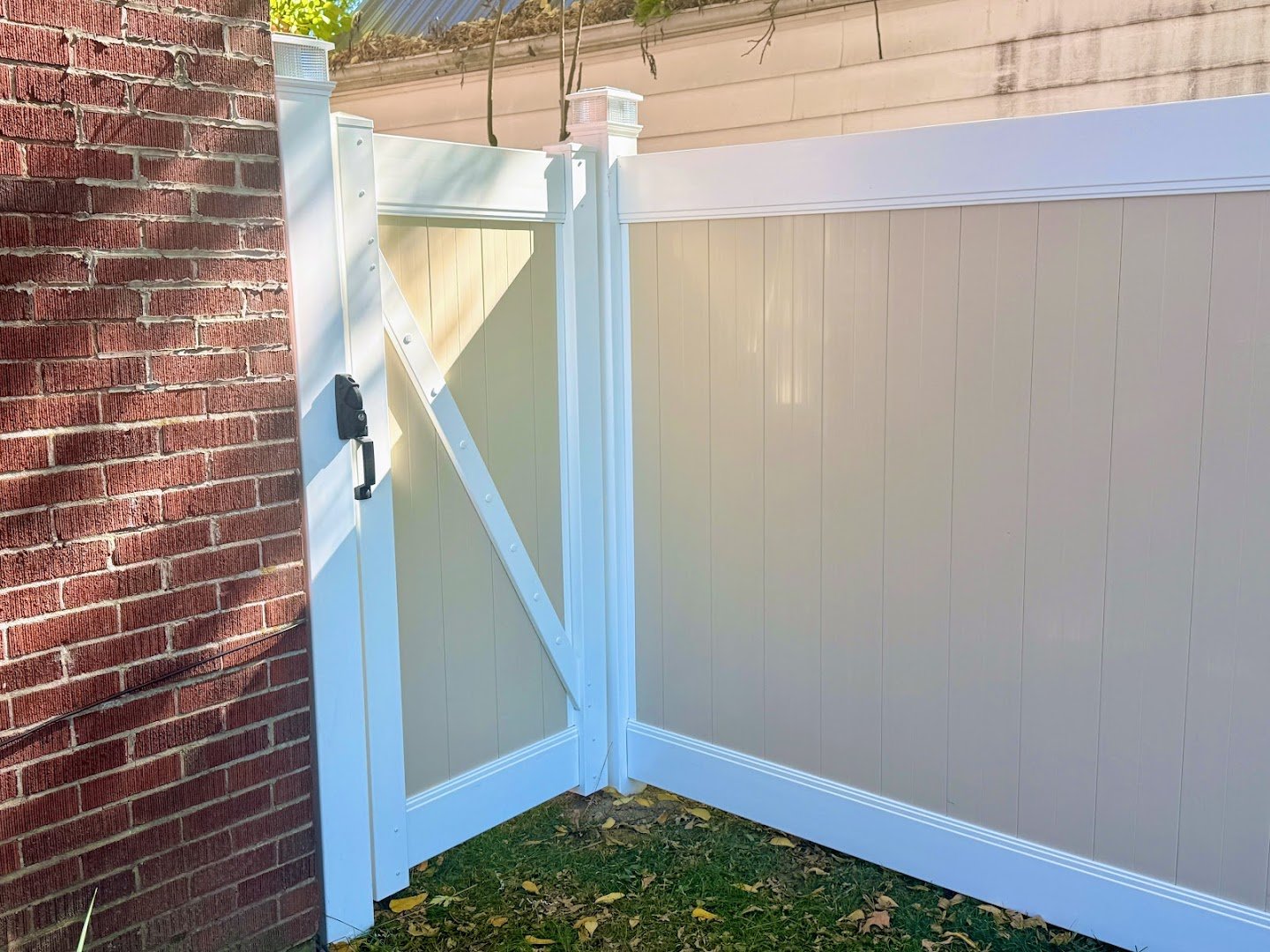
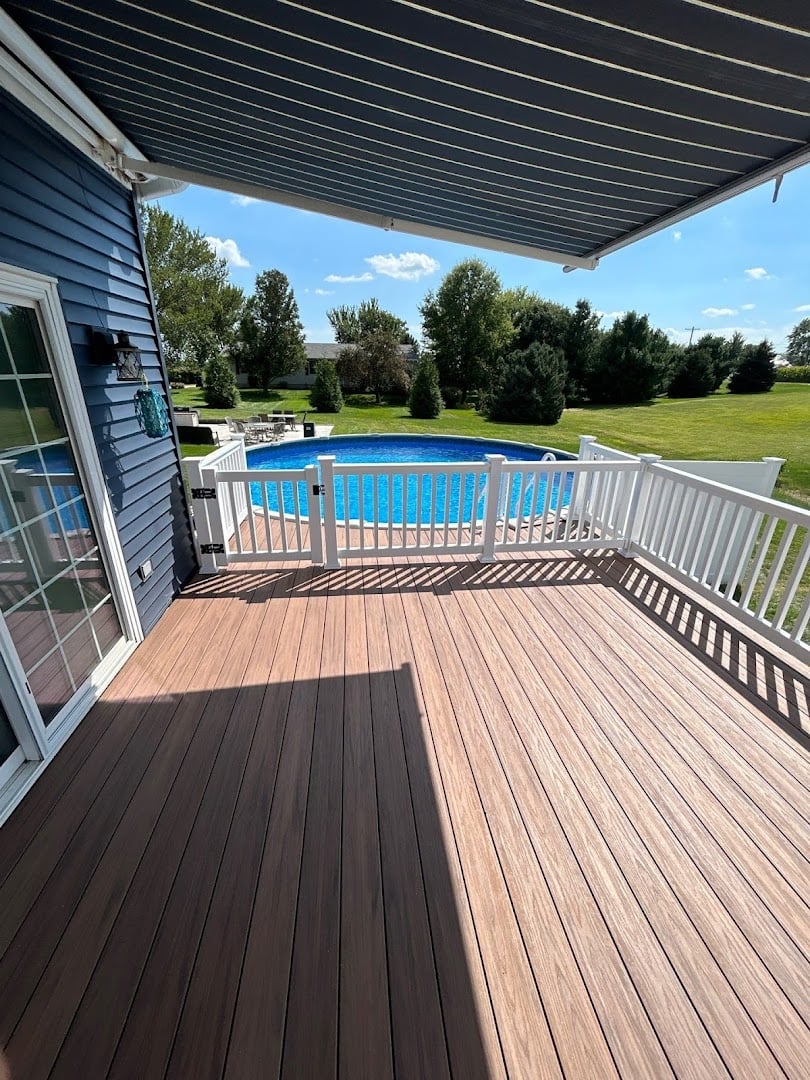
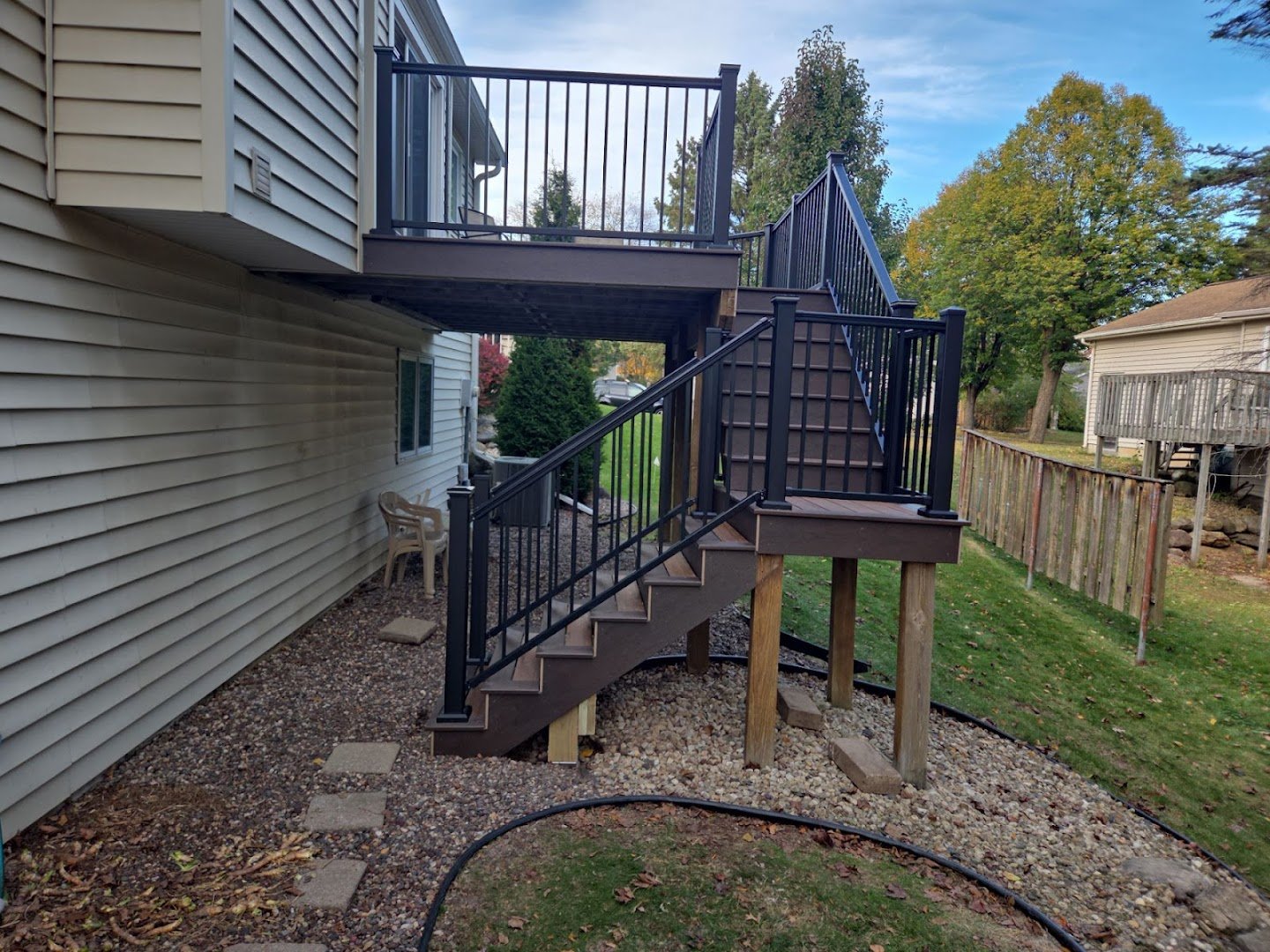
The Vinyl Outlet installation photo The Vinyl Outlet installation photo The Vinyl Outlet installation photo The Vinyl Outlet installation photo
Ready when you are

Get a Free Estimate

Browse our gallery or request a quote online — we'll be in touch within one business day.

Serving WNY and CNY including: Buffalo, Rochester, Syracuse, Niagara Falls, Auburn, Batavia, Ithaca, Jamestown, Liverpool, Lockport and beyond.

Get a Free Quote

Interested in*