How Much Does a 100-Foot Vinyl Fence Cost? Your Comprehensive Guide


When planning a home improvement project, understanding the potential costs involved is always a top priority. For many homeowners, a vinyl fence offers an attractive, durable, and low-maintenance solution for privacy, security, and curb appeal. A common question we hear is, "how much does a 100-foot vinyl fence cost?" It's a great question, but the answer isn't always straightforward.

The total investment for a 100-foot vinyl fence can vary significantly based on several factors, from the style and height of the fence to the complexity of the installation. This comprehensive Q&A post will break down these variables, helping you understand what goes into the pricing of a vinyl fence and why it's a smart long-term investment for your property.

How much does a 100 ft vinyl fence cost?

The cost of a 100-foot vinyl fence is influenced by a range of elements, making a single, fixed price difficult to provide without a detailed project assessment. Generally, you're looking at the combined cost of materials and labor.

Key factors that impact material costs include:

  • Fence Style: Vinyl fences come in various styles, such as full privacy, semi-privacy, picket, and rail fences. Privacy fences, with their solid panels, typically require more material and thus cost more per linear foot than a more open picket or rail style.
  • Fence Height: Taller fences naturally require more material, increasing the overall cost. Common heights range from 4 feet to 8 feet.
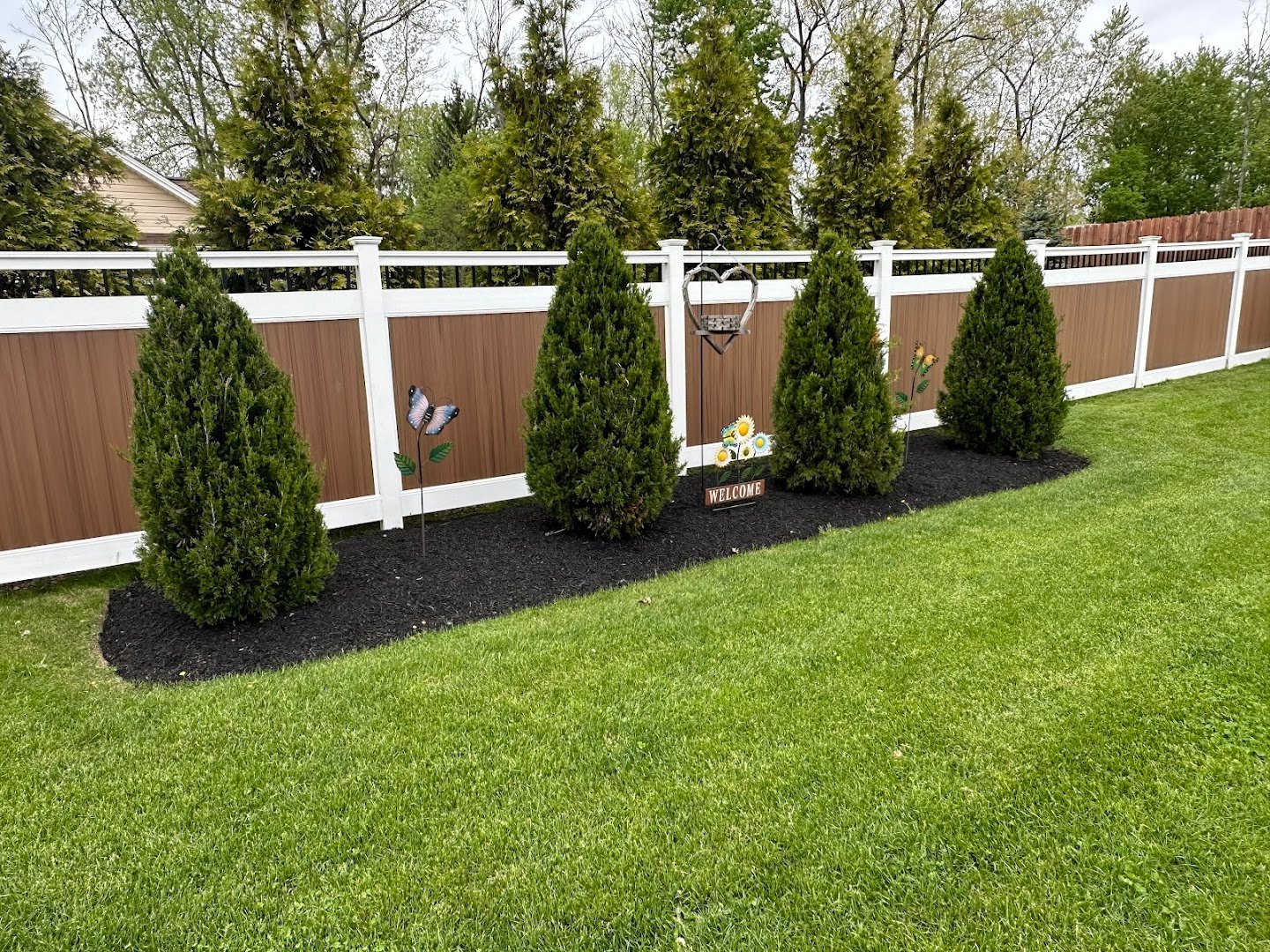
  • Color and Texture: While white is often the most economical, specialty colors or textured vinyl (designed to mimic wood grain, for instance) can add to the material cost.
  • Gate Additions: If your 100-foot fence includes one or more gates, these will add to the material cost, as gates require additional hardware and specialized components.
  • Post Caps: Decorative post caps can enhance the fence's appearance but also contribute to the overall material expense.

Beyond materials, installation complexity, terrain, and local regulations also play a role. For an accurate estimate tailored to your specific needs and property, we always recommend getting a free, no-obligation quote from a reputable provider like The Vinyl Outlet. This ensures you receive pricing that accounts for all the unique aspects of your project.

How much should labor cost to install a vinyl fence?

Labor is a significant component of the total cost to install a vinyl fence, and like material costs, it's subject to several variables. Professional installation ensures your fence is properly aligned, level, and securely anchored, maximizing its lifespan and aesthetic appeal.

Factors influencing labor costs include:

  • Fence Length and Complexity: While we're discussing a 100-foot fence, the total linear footage is the primary driver. More complex installations, such as those with many corners or curves, will require more labor.
  • Terrain and Soil Conditions: Installing a fence on uneven ground, slopes, or through rocky soil is more challenging and time-consuming than on flat, easily diggable terrain. This can increase labor hours.
  • Post Hole Digging: The method of digging post holes (manual vs. auger) and the depth required by local codes can affect labor.
  • Gate Installation: Installing gates, especially custom or larger gates, requires precision and additional time for proper alignment and hardware setup.
  • Old Fence Removal: If an existing fence needs to be removed and disposed of, this will add to the labor cost.
  • Permits and Utility Locates: While not direct labor, the time and effort involved in securing necessary permits and ensuring utility lines are marked can be factored into the overall project management and cost.

Reputable fencing companies factor these elements into their labor estimates to provide a fair and transparent price. It's important to choose experienced installers who understand the nuances of vinyl fence installation to ensure a durable and attractive result.

Is vinyl fence cheaper than wood?

When comparing vinyl and wood fences, it's crucial to look beyond the initial purchase price and consider the long-term cost of ownership. On an upfront, per-foot basis, a wood fence can sometimes appear to be cheaper than a vinyl fence. However, this initial saving often comes with significant hidden costs over time.

Here's a breakdown of the comparison:

  • Initial Cost: Wood fences, particularly those made from pressure-treated pine, can have a lower initial material and installation cost compared to vinyl. However, this varies greatly depending on the type of wood (cedar, redwood, etc.) and the fence style.
  • Maintenance Costs: This is where vinyl truly shines. Wood fences require regular maintenance to prevent rot, warping, fading, and pest damage. This includes:
    • Staining or Painting: Typically every 2-5 years, which involves material costs and labor (either DIY time or professional service).
    • Repairs: Wood can split, warp, or suffer insect damage, leading to repair or replacement of individual boards or sections.
    • Cleaning: While both require cleaning, wood can be more susceptible to mold and mildew in damp climates.
    Vinyl fences, on the other hand, are virtually maintenance-free. They don't need painting, staining, or sealing, and they won't rot, warp, splinter, or be eaten by pests. A simple wash with soap and water is usually all that's needed to keep them looking new.
  • Lifespan: A well-maintained wood fence might last 10-15 years, while a high-quality vinyl fence can easily last 20-30 years or even longer.

When you factor in the recurring costs of maintaining a wood fence over its lifespan, vinyl often proves to be the more economical choice in the long run. The durability and low-maintenance nature of vinyl fencing from providers like The Vinyl Outlet offer significant savings and peace of mind over decades.

How much does 200 feet of fencing cost?

Extrapolating the cost from a 100-foot fence to a 200-foot fence is not as simple as doubling the price, though material costs will generally scale proportionally. While you will certainly need twice the amount of linear fencing material, other factors can influence the per-foot cost for larger projects.

Considerations for a 200-foot fence:

  • Material Costs: The cost of the vinyl fence panels, posts, and hardware will roughly double for 200 feet compared to 100 feet, assuming the same style, height, and color.
  • Labor Efficiencies: For larger projects, some labor efficiencies might come into play. Installers are often able to work more continuously once they've set up their equipment and established a rhythm. This means the per-foot labor cost might be slightly lower for a 200-foot fence than for two separate 100-foot installations, but this isn't a guarantee and depends on the specific contractor and project.
  • Gates and Corners: The number of gates and corners in your 200-foot layout will significantly impact the complexity and cost. More gates mean more specialized hardware and installation time. More corners mean more cutting and precise alignment.
  • Project Management: Larger projects might involve slightly more complex logistics, but often the overhead for permits and initial site preparation doesn't scale linearly, potentially offering a marginal per-foot saving on these aspects.

Ultimately, to get an accurate cost for a 200-foot vinyl fence, it's essential to obtain a customized quote. This allows for all specific details of your property and desired fence style to be taken into account, providing you with a precise and comprehensive estimate.

Understanding the investment in a vinyl fence involves many factors, from the specific style and height to the complexities of installation. While we've covered the general considerations, the best way to get a precise understanding of your project's cost is through a personalized assessment.

Ready to explore the perfect vinyl fence for your property? Contact The Vinyl Outlet today for a free quote. Our experts are here to help you design a durable, beautiful, and low-maintenance fence that meets your needs and budget, enhancing your home for years to come.
Quick Answers

How much does a 100 ft vinyl fence cost?
The cost of a 100-foot vinyl fence is influenced by a range of elements, making a single, fixed price difficult to provide without a detailed project assessment. Generally, you're looking at the combined cost of materials and labor.Key factors that impact material costs include:Fence Style: Vinyl fences come in various styles, such as full privacy, semi-privacy, picket, and rail fences. Privacy fences, with their solid panels, typically require more material and thus cost more per linear foot than a more open picket or rail style.Fence Height: Taller fences naturally require more material, increasing the overall cost. Common heights range from 4 feet to 8 feet.Color and Texture: While white is often the most economical, specialty colors or textured vinyl (designed to mimic wood grain, for instance) can add to the material cost.Gate Additions: If your 100-foot fence includes one or more gates, these will add to the material cost, as gates require additional hardware and specialized components.Post Caps: Decorative post caps can enhance the fence's appearance but also contribute to the overall material expense.Beyond materials, installation complexity, terrain, and local regulations also play a role. For an accurate estimate tailored to your specific needs and property, we always recommend getting a free, no-obligation quote from a reputable provider like The Vinyl Outlet. This ensures you receive pricing that accounts for all the unique aspects of your project.
How much should labor cost to install a vinyl fence?
Labor is a significant component of the total cost to install a vinyl fence, and like material costs, it's subject to several variables. Professional installation ensures your fence is properly aligned, level, and securely anchored, maximizing its lifespan and aesthetic appeal.Factors influencing labor costs include:Fence Length and Complexity: While we're discussing a 100-foot fence, the total linear footage is the primary driver. More complex installations, such as those with many corners or curves, will require more labor.Terrain and Soil Conditions: Installing a fence on uneven ground, slopes, or through rocky soil is more challenging and time-consuming than on flat, easily diggable terrain. This can increase labor hours.Post Hole Digging: The method of digging post holes (manual vs. auger) and the depth required by local codes can affect labor.Gate Installation: Installing gates, especially custom or larger gates, requires precision and additional time for proper alignment and hardware setup.Old Fence Removal: If an existing fence needs to be removed and disposed of, this will add to the labor cost.Permits and Utility Locates: While not direct labor, the time and effort involved in securing necessary permits and ensuring utility lines are marked can be factored into the overall project management and cost.Reputable fencing companies factor these elements into their labor estimates to provide a fair and transparent price. It's important to choose experienced installers who understand the nuances of vinyl fence installation to ensure a durable and attractive result.
Is vinyl fence cheaper than wood?
When comparing vinyl and wood fences, it's crucial to look beyond the initial purchase price and consider the long-term cost of ownership. On an upfront, per-foot basis, a wood fence can sometimes appear to be cheaper than a vinyl fence. However, this initial saving often comes with significant hidden costs over time.Here's a breakdown of the comparison:Initial Cost: Wood fences, particularly those made from pressure-treated pine, can have a lower initial material and installation cost compared to vinyl. However, this varies greatly depending on the type of wood (cedar, redwood, etc.) and the fence style.Maintenance Costs: This is where vinyl truly shines. Wood fences require regular maintenance to prevent rot, warping, fading, and pest damage. This includes:Staining or Painting: Typically every 2-5 years, which involves material costs and labor (either DIY time or professional service).Repairs: Wood can split, warp, or suffer insect damage, leading to repair or replacement of individual boards or sections.Cleaning: While both require cleaning, wood can be more susceptible to mold and mildew in damp climates.Vinyl fences, on the other hand, are virtually maintenance-free. They don't need painting, staining, or sealing, and they won't rot, warp, splinter, or be eaten by pests. A simple wash with soap and water is usually all that's needed to keep them looking new.Lifespan: A well-maintained wood fence might last 10-15 years, while a high-quality vinyl fence can easily last 20-30 years or even longer.When you factor in the recurring costs of maintaining a wood fence over its lifespan, vinyl often proves to be the more economical choice in the long run. The durability and low-maintenance nature of vinyl fencing from providers like The Vinyl Outlet offer significant savings and peace of mind over decades.
How much does 200 feet of fencing cost?
Extrapolating the cost from a 100-foot fence to a 200-foot fence is not as simple as doubling the price, though material costs will generally scale proportionally. While you will certainly need twice the amount of linear fencing material, other factors can influence the per-foot cost for larger projects.Considerations for a 200-foot fence:Material Costs: The cost of the vinyl fence panels, posts, and hardware will roughly double for 200 feet compared to 100 feet, assuming the same style, height, and color.Labor Efficiencies: For larger projects, some labor efficiencies might come into play. Installers are often able to work more continuously once they've set up their equipment and established a rhythm. This means the per-foot labor cost might be slightly lower for a 200-foot fence than for two separate 100-foot installations, but this isn't a guarantee and depends on the specific contractor and project.Gates and Corners: The number of gates and corners in your 200-foot layout will significantly impact the complexity and cost. More gates mean more specialized hardware and installation time. More corners mean more cutting and precise alignment.Project Management: Larger projects might involve slightly more complex logistics, but often the overhead for permits and initial site preparation doesn't scale linearly, potentially offering a marginal per-foot saving on these aspects.Ultimately, to get an accurate cost for a 200-foot vinyl fence, it's essential to obtain a customized quote. This allows for all specific details of your property and desired fence style to be taken into account, providing you with a precise and comprehensive estimate.
← Back to Blog
Share:
Common Questions

Frequently Asked Questions

Straight answers to the questions The Vinyl Outlet customers ask most often before booking a quote.

How much does a vinyl fence installation cost?
Every yard is different — most residential vinyl fence projects at The Vinyl Outlet land between $28 and $55 per linear foot installed, depending on style (privacy vs. picket vs. pool code), post spacing, gate count, and access to the job site. Get a free on-site measurement and we'll walk you through the itemized quote.
How long does a vinyl fence last?
Our vinyl carries a limited lifetime warranty against cracking, peeling, fading and rotting. Vinyl doesn't need paint, stain, sealant or replacement pickets like wood does — expect 30+ years of service with routine wash-downs and nothing else.
Do I need a permit to install a fence?
In most WNY and CNY municipalities, yes — permit requirements and setback rules vary by town. The Vinyl Outlet handles the permit filing for you as part of the install; we'll confirm the local code and any HOA restrictions during your quote.
How long does installation take?
Most residential fence installs finish in 1–3 days once we're on-site. Decks and porches typically take 3–7 days depending on size and railing complexity. Weather and ground conditions can extend the timeline slightly in winter.
Do you install year-round?
Yes. The Vinyl Outlet installs throughout the year, weather permitting. Ground freeze can slow post-setting on the coldest weeks of winter, but we still book quotes and start soil-suitable projects. Spring and fall are our busiest booking windows — schedule early if you want a summer completion date.
From the field

Images from Our Recent Work

See full gallery →
The Vinyl Outlet installation photo The Vinyl Outlet installation photo The Vinyl Outlet installation photo The Vinyl Outlet installation photo
Ready when you are

Get a Free Estimate

Browse our gallery or request a quote online — we'll be in touch within one business day.

Serving WNY and CNY including: Buffalo, Rochester, Syracuse, Niagara Falls, Auburn, Batavia, Ithaca, Jamestown, Liverpool, Lockport and beyond.

Get a Free Quote

Interested in*

By submitting this form, you agree to The Vinyl Outlet's Privacy Policy.